Understanding the Traditional Economy Simple Definition and Its Impact on Society
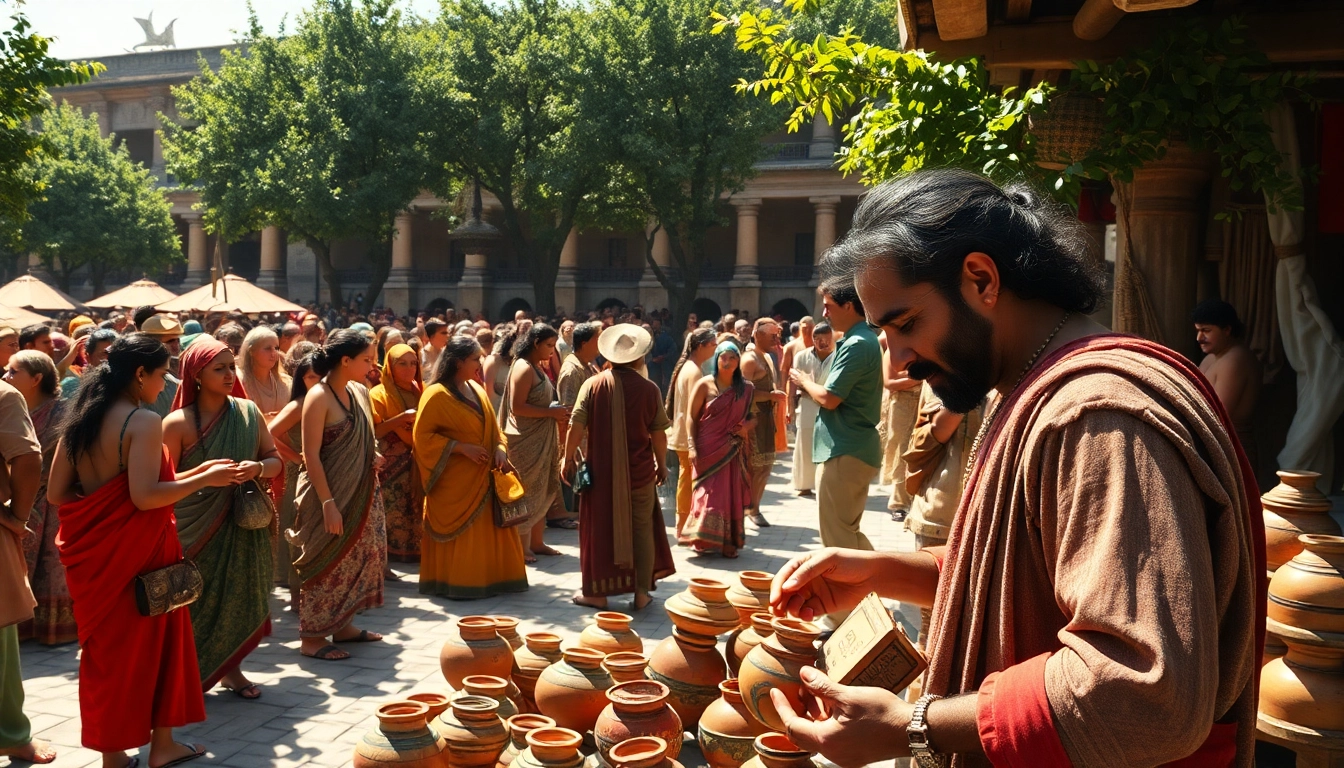
What is a Traditional Economy Simple Definition?
A traditional economy is an economic system based on customs, history, and time-honored beliefs, often involving barter. This system relies heavily on agriculture, hunting, and fishing, with communities exchanging goods and services directly rather than through a monetary system. To understand the nuances of this economic structure, it’s essential to explore its foundational elements and implications in modern contexts. If you are looking for a traditional economy simple definition, this description encapsulates its core attributes.
Exploring the Basics of Traditional Economies
At the heart of a traditional economy are the customs and cultural practices that dictate economic behavior. Unlike modern economies, which primarily revolve around the use of currency, traditional economies are characterized by subsistence practices. In these societies, people produce what they need for survival, focusing on agriculture, hunting, and gathering.
Key Features of a Traditional Economy
- Barter System: Goods and services are exchanged without the use of money, fostering direct trade relationships.
- Community-Centric: Decisions related to production and distribution are often made collaboratively, emphasizing communal well-being.
- Resource Management: Traditional economies rely on sustainable practices that have been passed down through generations, ensuring resource availability.
- Limited Technology: These economies generally utilize basic tools and methods, relying on muscle power and natural resources.
- Cultural Heritage: Economic activities are interwoven with cultural traditions, reinforcing identity and continuity.
Importance of Resource Allocation in Traditional Economies
Resource allocation in traditional economies is typically governed by cultural norms and practices. Community members work together to ensure that resources such as land, water, and food are distributed in a manner that reflects local customs and sustainability principles. This allocation is vital not only for survival but also for fostering social cohesion and maintaining cultural identity. The reliance on resource allocation highlights the interdependence among community members, cultivating a strong sense of unity.
Historical Context of Traditional Economies
The study of traditional economies unveils much about human adaptation and resilience over centuries. These systems have existed since ancient times, providing a framework for survival in diverse environmental conditions.
The Evolution of Economic Systems
Traditional economies emerged as a response to early human needs for sustenance. Over time, the complexities of societies led to the development of various economic systems, such as barter and eventually market economies. Understanding this evolution is essential to appreciating the role and persistence of traditional economies today.
Case Studies of Ancient Economies
Examining specific case studies, such as the Inuit in the Arctic or pastoral societies in East Africa, illustrates how traditional economies have functioned effectively over generations. These societies often display remarkable adaptability to their environments, utilizing rich cultural knowledge to navigate challenges like resource scarcity or climate changes.
Lessons from Traditional Economies for Modern Society
In an age dominated by globalization and technology, modern societies can learn valuable lessons from traditional economies. Emphasizing community bonds, sustainable practices, and cultural heritage can offer insights into creating resilient economic systems responsive to environmental and social changes.
Comparisons of Traditional Economies to Other Economic Systems
Understanding how traditional economies differ from contemporary economic systems is crucial to fully grasping their significance and challenges.
Traditional vs. Market Economy
In a market economy, resources and services are allocated based on supply and demand, with little focus on cultural customs. In contrast, traditional economies prioritize community needs and sustainable practices over profit-making. While market economies encourage innovation and efficiency, they can often overlook social welfare and environmental sustainability—areas where traditional economies excel.
Traditional vs. Command Economy
Command economies are characterized by centralized control where government directives determine resource allocations and production levels. In contrast, traditional economies thrive on decentralized systems rooted in customs and community decisions. The stark difference highlights the flexibility and cultural richness of traditional systems, which can often adapt more readily to local needs compared to heavily regulated command economies.
Advantages and Disadvantages of Each System
Each economic system presents its own set of advantages and disadvantages. Traditional economies often foster strong community ties and sustainable practices but may face challenges in scalability and efficiency. Meanwhile, market economies promote innovation and rapid growth, yet risk disenfranchising vulnerable populations and harming the environment. By understanding both systems, societies can better navigate the complexities of modern economic challenges.
Key Challenges Faced by Traditional Economies Today
Despite their rich cultural heritage and sustainability principles, traditional economies face significant challenges in the face of modernization.
Globalization and its Effects
Globalization poses threats to traditional economies by introducing market-driven practices that can undermine local customs and barter systems. As global markets expand, there is often pressure on traditional societies to conform to modern economic standards, leading to cultural erosion and loss of identity.
Environmental Sustainability Issues
While traditional economies often prioritize sustainable practices, modern environmental challenges, such as climate change, present new threats to resource management. Navigating these complexities requires innovative approaches to retain traditional knowledge alongside modern sustainability practices.
The Role of Technology in Traditional Economies
Technology can serve as a double-edged sword for traditional economies. On one hand, it offers tools for enhancing productivity and resource management. On the other, it can disrupt established customs and create dependency on modern systems. Balancing technological advancements with traditions is crucial for the survival of these economies.
Future Prospects for Traditional Economies
Looking forward, traditional economies hold the potential to adapt and flourish in the evolving global landscape, provided that their unique characteristics are respected and integrated into broader economic frameworks.
Integrating Modern Practices into Traditional Frameworks
Combining modern agricultural techniques, sustainable practices, and cultural traditions can empower traditional economies to face contemporary challenges. By leveraging innovations while respecting local customs, traditional systems can enhance productivity without sacrificing community values.
Maintaining Cultural Heritage and Traditions
Efforts to preserve cultural heritage play a pivotal role in protecting traditional economies against the pressures of globalization. Promoting traditional crafts, storytelling, and local rituals strengthens community identity and fosters a sense of belonging among members.
Frequently Asked Questions about Traditional Economies
FAQ 1: What is a traditional economy?
A traditional economy is an economic system based on customs, history, and time-honored beliefs, often involving barter.
FAQ 2: How does trade function in a traditional economy?
Trade in a traditional economy typically occurs through bartering goods and services, rather than using currency.
FAQ 3: Are traditional economies still relevant today?
Yes, traditional economies are still relevant, especially in rural areas where customs and community ties prevail over market systems.
FAQ 4: What are the benefits of a traditional economy?
Benefits include stronger community bonds, sustainability, and preservation of cultural identities through practices and exchanges.
FAQ 5: How do traditional economies handle scarcity?
Traditional economies manage scarcity through careful resource management, often reflecting long-standing cultural practices.