Effective Bed Bug Removal Techniques for a Pest-Free Home
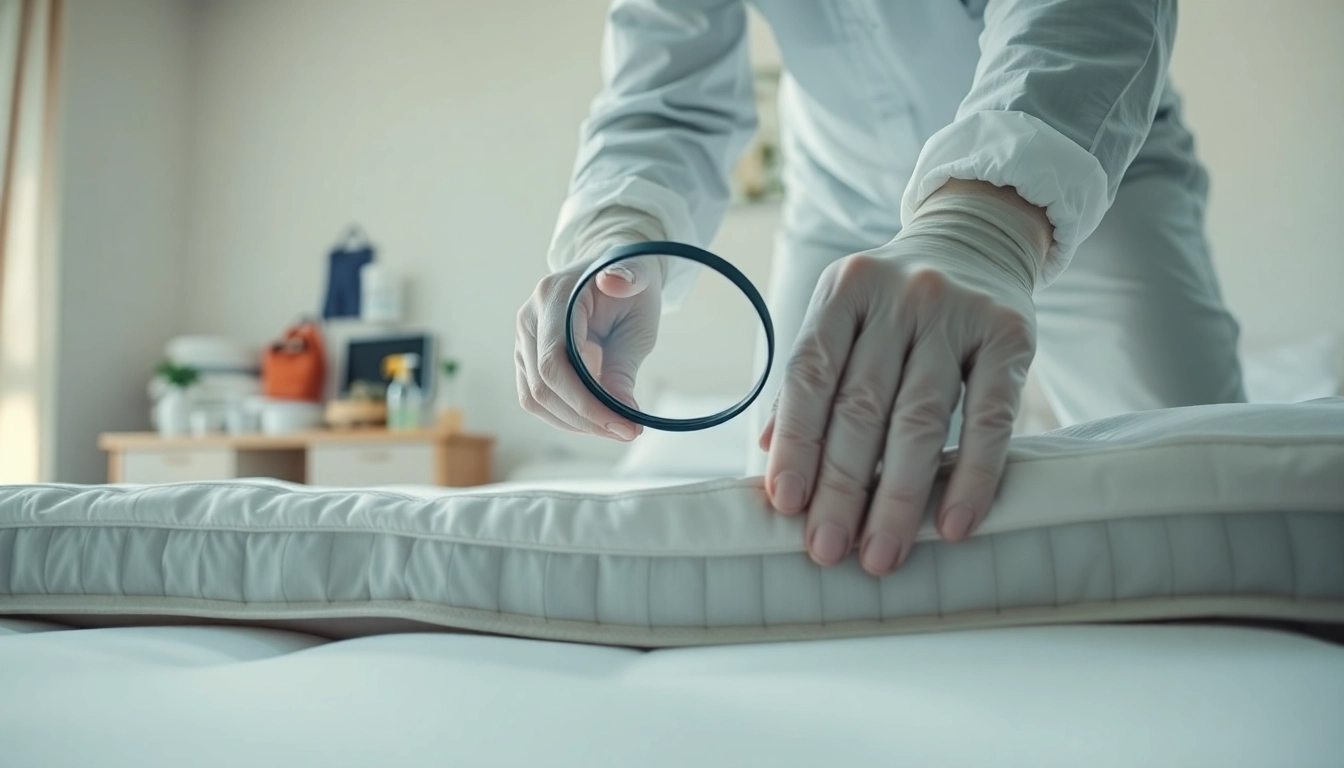
Understanding Bed Bugs and Their Infestation Signs
What Are Bed Bugs?
Bed bugs (Cimex lectularius) are small, wingless insects that feed on the blood of humans and animals. They are reddish-brown, oval-shaped, and about the size of an apple seed—ranging between 4 to 5 mm in length. These pests are notorious for infesting living spaces and can quickly multiply if not handled. Their flat bodies allow them to hide in narrow cracks and crevices, making them particularly difficult to detect and eradicate without proper intervention.
Common Signs of Infestation
Recognizing the signs of a bed bug infestation is crucial for early detection and effective bed bug removal. Some common indicators include:
- Blood Stains: Small red or brown spots on sheets or mattresses, left behind after feeding.
- Exoskeletons: Shed skins that bed bugs leave behind as they grow, often found in hiding places.
- Live Bugs: Spotting actual bed bugs in bedding, furniture, or luggage.
- Fecal Matter: Dark brown or black spots of bed bug droppings on surfaces.
- Unpleasant Odor: A musty smell that comes from the scent glands of bed bugs when they are present in high numbers.
Health Risks Associated with Bed Bugs
While bed bugs are not known to transmit diseases, their bites can lead to several health issues. Common concerns include:
- Allergic Reactions: Some individuals may develop allergic rashes or severe itching after being bitten.
- Secondary Infections: Scratching itchy bites can lead to bacterial infections.
- Sleep Disturbances: Anxiety and stress from knowing one’s living conditions are compromised can lead to insomnia.
Best Practices for Bed Bug Removal
DIY Bed Bug Removal Techniques
For those who wish to tackle a bed bug problem without immediate professional help, several DIY solutions can be effective:
- Heat Treatment: Bed bugs cannot survive temperatures above 120°F (49°C). Washing items in hot water and drying them on high heat can eliminate all life stages.
- Vacuuming: Thoroughly vacuuming bedroom areas—especially the mattress seams, bed frames, and around baseboards—can physically remove bugs and eggs.
- Sealing Cracks: Caulking gaps and crevices in walls and furniture can deprive bed bugs of shelter.
- Using Diatomaceous Earth: Sprinkling food-grade diatomaceous earth around potential hiding spots can dehydrate and kill bed bugs upon contact.
- Encasements: Putting mattress and box spring encasements can prevent bed bugs from entering or escaping.
When to Call a Professional for Bed Bug Removal
Despite DIY efforts, persistent infestations may warrant professional intervention. Consider hiring experts when:
- The infestation is extensive, with numerous visible bugs and signs.
- DIY techniques have failed to yield results after multiple attempts.
- Bed bugs reappear shortly after initial treatments.
- Expert knowledge and specialized equipment (like heat treatments and chemical fumigation) are required.
Essential Preparation Steps Before Treatment
Preparing your home for effective bed bug treatment is essential for success:
- Decluttering: Remove items from the infestation area to reduce bed bug hiding spots.
- Washing Linens: Wash all bed linens and clothing in hot water and dry them on high heat.
- Vacuuming Thoroughly: Vacuum before treatment to eliminate as many bugs as possible.
- Remove Electronics: Clear away any electronics from infested areas to avoid damage during treatment.
- Inform Household Members: Ensure that everyone is aware and prepared for the treatment process.
Preventing Future Bed Bug Infestations
Home Maintenance Tips
Preventing a future bed bug infestation requires ongoing vigilance and care:
- Regular Inspections: Routinely check common hiding spots, including bedding, carpets, and behind furniture.
- Seal Entry Points: Use caulk to seal gaps around doors, windows, and baseboards to prevent entry.
- Mindful Purchases: Inspect used furniture and clothing for signs of bed bugs before bringing them home.
Travel Precautions to Avoid Bed Bugs
Traveling can inadvertently expose you to bed bugs. Implement these precautions:
- Inspect Hotel Rooms: Check the mattress seams, headboards, and furniture for signs of bed bugs upon entering a room.
- Keep Luggage Elevated: Use luggage racks instead of placing bags on beds or floors.
- Wash Clothes Immediately: Wash and dry all clothing on high heat as soon as you return from your trip.
Seasonal Considerations for Bed Bugs
Bed bug activity can vary with the seasons. Considerations include:
- Increased Activity in Warmer Months: Bed bugs may reproduce faster as temperatures rise, leading to more infestations.
- Winter Risks: Homes may host more bed bugs as people bring in items from outdoors or travel during the holidays.
Costs and Considerations for Bed Bug Removal
Averaging Costs of Bed Bug Removal Services
The cost of bed bug removal depends on various factors, including the size of the infestation, treatment methods, and location. On average, homeowners can expect to pay between $300 to $1,500 for professional treatment, with factors such as the urgency and extent of the infestation playing significant roles in the final cost.
Factors Influencing Treatment Costs
Several factors can influence the overall cost of bed bug removal:
- Extent of the Infestation: More severe infestations require more extensive treatments.
- Type of Treatment: Heat treatments can be more expensive but may be more effective.
- Home Size: Larger homes may incur higher costs due to increased resources needed.
Cost-Effective DIY Solutions
For homeowners seeking to manage costs, several DIY methods can help mitigate expenses without sacrificing effectiveness:
- Spraying Essential Oils: Some essential oils, such as tea tree or lavender oil, can repel bed bugs.
- Encasements: Investing in quality mattress and box spring encasements can save money over time by preventing infestations.
- Regular Cleaning: Maintaining cleanliness through regular vacuuming and washing can prevent future infestations.
FAQs About Bed Bug Removal
Is it safe to stay in a house with bed bugs?
While it may not pose immediate health risks, staying in a home with bed bugs can lead to discomfort, insomnia, and potential allergic reactions. It’s advisable to address the issue promptly.
What kills bed bugs instantly?
Heat is one of the most effective ways to kill bed bugs instantly. Exposing them to temperatures above 120°F (49°C) can eliminate them almost immediately.
How can I prevent bed bug re-infestation?
Preventing re-infestation involves regular cleaning, sealing entry points, and careful inspection of items brought into your home, especially after travel.
What should I do with infested furniture?
Infested furniture should be treated or disposed of carefully. If you choose to keep it, ensure it is encased or treated with heat or pesticides to eliminate bed bugs.
How long does bed bug removal take?
The duration of bed bug removal can vary, ranging from a single treatment session that may take a few hours to multiple sessions over several weeks, depending on the severity of the infestation.