Designing Your Dream Cape Cod Home – Key Elements to Consider
Understanding Cape Cod Home Architecture
Historical Context of Cape Cod Homes
The cape cod home is steeped in a rich historical context that dates back to the early colonial period of America, particularly in New England. Originally built by settlers in the 17th century, these homes were designed to withstand harsh winter conditions and offer shelter against the elements. The architecture reflects a pragmatic approach to living, one that prioritizes function over excessive ornamentation. Characterized by steeply pitched roofs, symmetrical facades, and a central chimney, these homes provided warmth and shelter, embodying the spirit of resilience that defined early American settlers.
Key Architectural Features
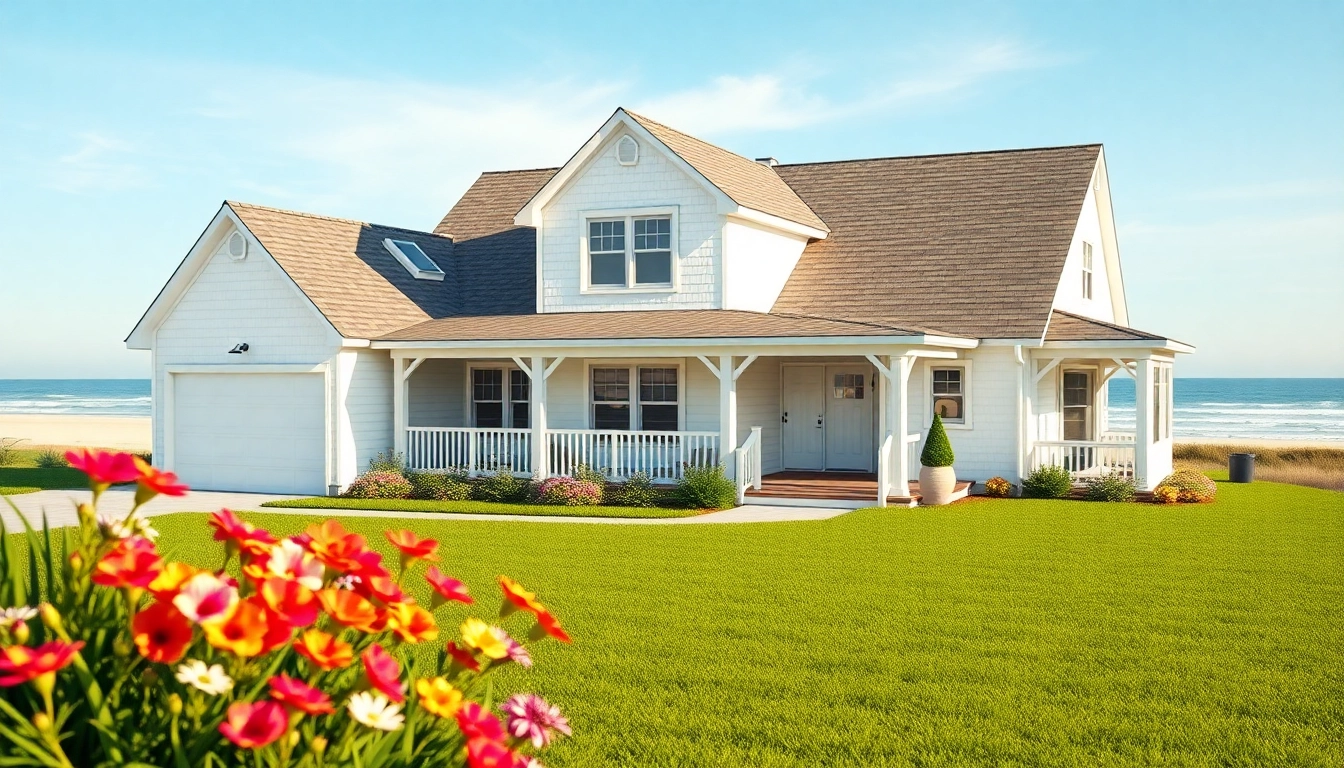
Cape Cod homes boast several distinctive architectural elements that contribute to their enduring charm. Common features include:
- Steep Roofs: The steep pitch of the roof enables snow to slide off easily, preventing it from accumulating.
- Symmetrical Design: The facades typically exhibit a balanced layout, with windows and doors arranged symmetrically around a central axis.
- Central Chimney: Historically used for heating, the central chimney is often the focal point of the home.
- Multi-Paned Windows: Small, multi-paned windows are prevalent, allowing natural light while maintaining a traditional aesthetic.
- Shingle Siding: Wooden shingles, often painted in muted colors, are common for siding, adding to the coastal feel.
Modern Adaptations of Cape Cod Design
As society evolves, so too does the cape cod home design. Contemporary adaptations frequently incorporate modern building materials and technologies, melding the traditional aesthetic with modern convenience. For instance, many homeowners now opt for open floor plans and expansive windows that enhance natural light. Energy-efficient features such as insulated roofing, solar panels, and modern HVAC systems are also becoming increasingly common. These adaptations ensure that Cape Cod homes remain relevant in modern architecture while preserving their classic charm.
Essential Design Elements for a Cape Cod Home
Color Schemes and Materials
A key aspect of Cape Cod home design is the choice of color schemes and materials that reflect the natural surroundings. Coastal hues like soft blues, seafoam greens, and sandy beiges evoke a sense of tranquility and harmony with nature. Traditionally, the materials used are durable and weather-resistant, such as cedar shingles, weathered wood, and stone. Modern palettes might include brighter accents, but the emphasis remains on muted tones that blend seamlessly with the exterior landscape.
Landscaping Ideas and Frontage
Landscaping plays a vital role in enhancing the overall appeal of a Cape Cod home. Consider using native plants that require minimal maintenance and can withstand local weather conditions. Grassy front lawns bordered by hydrangeas, white picket fences, and stone pathways often complement the home’s classic aesthetic. Incorporating outdoor features like covered porches and patios can create inviting spaces for relaxation and enjoyment of the surrounding vistas.
Interior Design Inspirations
Interior design in a Cape Cod home often reflects the simplicity and comfort of coastal living. Open floor plans that flow from room to room can enhance the airy feel that is characteristic of these homes. Light-colored woods for flooring and furniture can brighten spaces, while nautical-themed decor and furnishings can reinforce the coastal lifestyle. Textures from linen, cotton, and jute add warmth, maintaining an aesthetic that is inviting and cozy. Accent pieces like vintage sea maps, driftwood sculptures, or marine-inspired artwork can further personalize your space.
Building an Attached Garage: Benefits and Design Tips
Functional Considerations for Garage Layout
The addition of an attached garage to a Cape Cod home can significantly enhance its functionality. When designing the layout, consider the garage’s purpose: Will it simply house vehicles, or will it also serve as storage for tools and equipment? A standard two-car garage might include areas for shelving and workbenches. Adequate space for maneuverability is pivotal, as is the incorporation of direct access to the home, allowing for easy transitions between indoor and outdoor spaces.
Design Cohesion Between Home and Garage
Design cohesion ensures that an attached garage does not detract from the overall aesthetics of the cape cod home. When planning the garage’s exterior, colors and materials should match or complement the existing home’s façade. Elements like a matching roofline, similar window styles, and identical siding materials contribute to seamless architectural synergy. This integration not only adds to curb appeal but also enhances the value of the property.
Storage Solutions for Your Cape Cod Garage
Maximizing storage opportunities within a garage can be vital, especially in Cape Cod homes where space is often at a premium. Effective solutions include wall-mounted shelves, pegboards for tools, and overhead storage systems that utilize ceiling space. Also, the inclusion of built-in cabinets provides structured organization for seasonal items, sports equipment, or gardening tools, allowing the garage to remain uncluttered and functional.
Maximizing Energy Efficiency in Cape Cod Homes
Key Insulation Techniques to Consider
Investing in proper insulation is crucial for enhancing energy efficiency in a Cape Cod home. Consider using high-quality materials such as spray foam or fiberglass batts for walls and attics, minimizing heat loss during winter months and reducing cooling costs in summer. Pay special attention to areas susceptible to drafts, like around windows and doors, which can greatly affect the home’s overall energy performance.
Energy-Efficient Windows and Doors
Replacing old windows and doors with energy-efficient models can yield significant cost savings over time. Look for products that offer a high Energy Star rating and features like double glazing, low-emissivity coatings, and gas fills, which help maintain indoor temperatures. Stylish window treatments can also assist in regulating heat transfer, further enhancing energy efficiency while maintaining the home’s aesthetic appeal.
Utilizing Natural Light and Ventilation
Incorporating abundant natural light and ventilation not only improves energy efficiency but also enhances your well-being. Strategically placed windows, skylights, and open floor designs can facilitate cross-ventilation, reducing the need for mechanical cooling systems. Consider using light tubes in darker areas to channel sunlight into your living spaces, illuminating interiors without excessive energy consumption.
FAQs About Cape Cod Home Design
What are the defining characteristics of a cape cod home?
Defining characteristics include steep roofs, symmetrical facades, central chimneys, and weathered wood siding. They are designed for durability and efficient heating.
How do I choose the right color scheme for my cape cod home?
Opt for coastal-inspired hues like soft blues, greens, and beiges that complement the natural surroundings. Muted tones maintain the traditional aesthetic.
What are the benefits of an attached garage in a cape cod design?
An attached garage enhances functionality, provides direct access during inclement weather, and can boost curb appeal, increasing property value.
How can I improve the energy efficiency of my cape cod home?
Improve energy efficiency by using high-quality insulation, replacing windows with energy-efficient options, and maximizing natural light and ventilation.
Are there specific landscaping considerations for cape cod homes?
Choose native plants that require low maintenance, incorporate stone pathways, and consider features like porches to enhance outdoor living space.