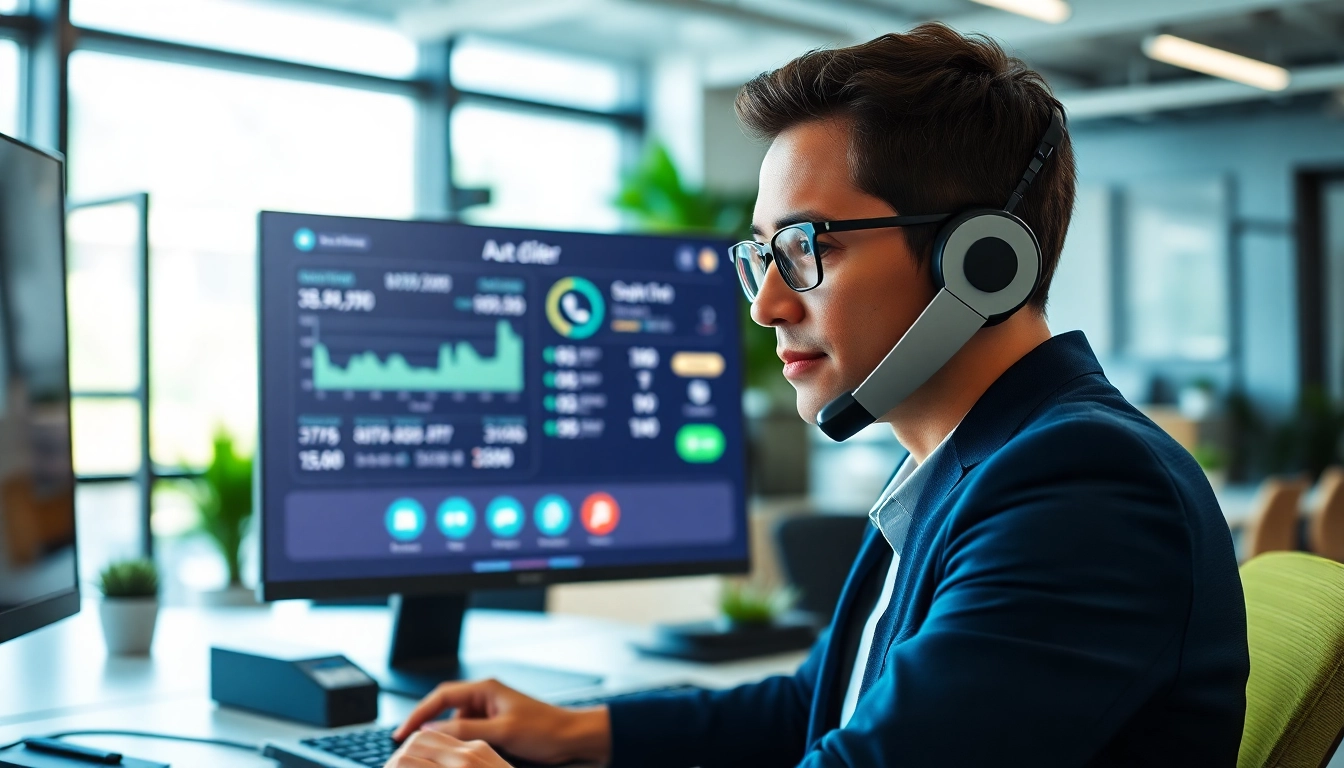
Understanding the Auto Dialer
What is an auto dialer?
An auto dialer is an automated system designed to make outbound calls efficiently. By leveraging technology to dial from a pre-loaded list of numbers, it connects answered calls to live agents or plays pre-recorded messages. This streamlines the process of reaching out to prospects, saving time and increasing productivity for sales teams, customer support, and other organizations that depend heavily on communication.
How auto dialers work
Auto dialers function through various technologies that enable them to automatically call phone numbers. At their core, they utilize a database or list containing contact information, and when activated, they begin dialing numbers sequentially or randomly based on predefined algorithms. There are several types of auto dialers, including:
- Predictive Dialers: These systems predict when agents will be available to take a call and dial multiple numbers simultaneously.
- Progressive Dialers: These dialers call one number at a time and connect the call to an agent only after the call is answered.
- Preview Dialers: This type allows agents to preview customer information before initiating the call.
Once a call connects, the system can either connect the caller to an agent or deliver a pre-recorded message, thus optimizing the calling process and freeing up agents for more valuable tasks.
Benefits of using auto dialer
The use of an auto dialer comes with several advantages:
- Increased Efficiency: Teams can make a higher number of calls in less time, substantially improving overall productivity.
- Better Call Management: It automates call handling and reduces manual dialing errors.
- Enhanced Customer Engagement: By ensuring that leads are called promptly, organizations can maintain better engagement with potential customers.
- Cost-Effective: Reduces the need for additional agents as one can handle multiple calls at once with the right system.
Choosing the Right Auto Dialer for Your Needs
Identifying core requirements
Before selecting an auto dialer, it’s crucial to assess your core requirements. Consider the following factors:
- Volume of Calls: Determine how many calls you need to make daily and the expected call duration.
- Type of Calls: Identify whether your needs are geared toward sales outreach, customer service, or information dissemination.
- Integration Capabilities: Ensure the auto dialer can integrate seamlessly with existing CRM or lead management systems.
Assessing user-friendly features
User-friendly features are essential for ensuring team adoption and operation smoothness. Look for systems that provide:
- Intuitive Interface: A clean, straightforward dashboard that allows users to navigate easily.
- Call Recording: Options for recording calls for training and compliance purposes.
- Real-time Analytics: The ability to analyze call outcomes and performance metrics in real-time.
Comparing pricing models
Different providers offer various pricing models, including per-user pricing, pay-as-you-go, or monthly subscriptions. When comparing prices, consider:
- Budget Constraints: How much can your organization allocate for dialing solutions?
- Feature Sets: Balance cost against the features provided; sometimes, a more expensive plan offers better long-term savings.
- Trial Periods: Look for options that provide trial periods or money-back guarantees to test the system's effectiveness before fully committing.
Best Practices for Implementing Auto Dialer
Training your team effectively
Training is pivotal for maximizing the potential of your chosen auto dialer. Consider the following best practices:
- Structured Training Sessions: Organize comprehensive training sessions that cover both the software functionalities and effective communication techniques.
- Access to Resources: Provide easy access to training materials and guides for continued learning.
- Role-playing Scenarios: Create role-playing exercises that simulate real-call environments to build confidence in handling various customer interactions.
Integrating with existing systems
For an auto dialer to be effective, it should integrate smoothly with your existing tools and platforms. Here’s how to ensure successful integration:
- API Compatibility: Check that the auto dialer can connect and communicate with your current software solutions.
- Data Migration: Plan for a seamless transfer of existing contact data into the new system without losing important information.
- Test Autofetch Features: Test if the system can fetch customer information on the fly during calls for better personalization.
Monitoring and optimizing performance
Ongoing monitoring and optimization of call performance are essential for maintaining efficiency and achieving results. Focus on:
- Key Performance Metrics: Regularly analyze metrics such as call duration, connection rates, and conversion ratios.
- Feedback Mechanism: Implement a system for gathering feedback from agents about the software's usability and any technical issues.
- Adjusting Dialing Strategies: Be prepared to tweak your dialing strategies based on performance data analysis and market changes.
Common Challenges and Solutions with Auto Dialer
Dealing with compliance issues
Compliance with telecommunications laws is a significant challenge that businesses using auto dialers must face. Solutions include:
- Understanding Regulations: Stay informed about the latest regulations regarding telemarketing and automated calls in your region.
- Opt-out Mechanisms: Ensure that you have clear opt-out processes in place for contacted individuals.
- Regular Compliance Audits: Conduct regular audits to ensure your operations adhere to the relevant laws and guidelines.
Managing call quality
Call quality is vital for customer satisfaction. To manage and improve call quality:
- Regular Monitoring: Implement tools for monitoring both call quality and agent performance.
- Standard Operating Procedures: Create and enforce standard operating procedures that outline the best practices for calls.
- Continuous Training: Invest in ongoing training sessions focusing on effective communication and customer handling skills.
Handling customer interactions
Interacting with customers through an auto dialer can sometimes lead to conversing challenges. Resolve these challenges by:
- Personalizing Interactions: Encourage agents to use customer information proactively to make interactions feel more personal.
- Equipping Agents: Provide agents with prompts and scripts to navigate conversations confidently.
- Feedback and Improvement: Solicit feedback from customers post-call to identify pain points and areas of improvement.
Future Trends in Auto Dialer Technology
Emerging features to watch
As technology evolves, so does the functionality of the auto dialer. Emerging trends include:
- Machine Learning Integration: Auto dialers will increasingly employ machine learning to improve call accuracy and predict the best times to contact leads.
- Enhanced CRM Features: Automation of CRM features directly within dialing platforms will become standard as integration improves.
- Customizable Reporting Tools: Innovations will lead to more robust reporting options, allowing organizations to create custom metrics aligned with business goals.
Impact of AI on auto dialer efficiency
Artificial Intelligence (AI) is anticipated to revolutionize auto dialers by:
- Smart Call Routing: AI will enable smarter call routing to connect the right agents with the right calls, based on skill sets and real-time data.
- Natural Language Processing: The application of AI in natural language processing could allow auto dialers to manage simple customer interactions, thus freeing agents for more complex queries.
- Insight Generation: AI tools will help extract valuable insights from call data, informing strategies and improving overall productivity.
Predicting market evolution
The market for auto dialers is expected to grow as organizations recognize the necessity of automation. Speculation about future developments includes:
- Increased Demand: As businesses push for efficiency, demand for robust auto dialer solutions will surge.
- Integration with Other Technologies: More businesses will seek auto dialers that integrate with other communication tools, such as chatbots and social media.
- Regulatory Adaptations: Ongoing changes in telecommunications regulations will shape the functionalities and compliance measures built into auto dialers.