The Importance of Fire Extinguisher Inspections
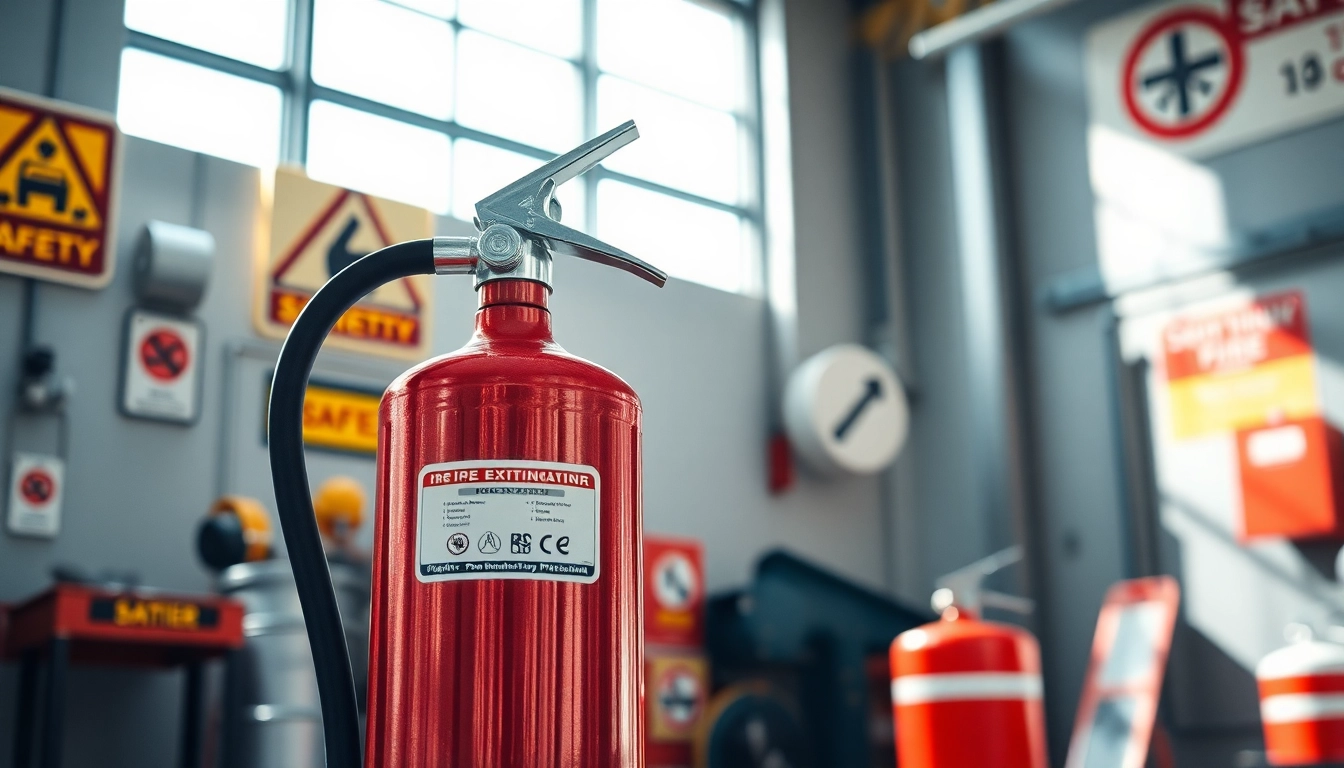
Fire extinguishers are critical life-saving devices that can prevent the escalation of a small fire into a catastrophic event. Regular inspections of these devices are essential not only for compliance with local fire codes but also for ensuring the safety of occupants in residential, commercial, and industrial settings. This article aims to provide comprehensive guidelines to pass fire extinguisher inspections, focusing on best practices, compliance requirements, and common pitfalls to avoid.
Understanding Fire Extinguisher Types
Fire extinguishers come in various types, each designed for specific classes of fires. Understanding these types is crucial for selecting the correct extinguisher and conducting inspections effectively.
- Class A: For ordinary combustibles like wood, paper, and cloth.
- Class B: For flammable liquids such as gasoline, oil, and grease.
- Class C: For electrical fires, often using non-conductive material.
- Class D: For combustible metals, typically found in industrial settings.
- Class K: For kitchen fires involving cooking oils and fats.
Familiarizing your team with these categories will ensure that the right extinguisher is available where needed, and the inspection process aligns with appropriate safety protocols.
Legal Requirements and Compliance
Fire safety regulations vary by jurisdiction, but most require that fire extinguishers be installed, inspected, and maintained according to established standards. The National Fire Protection Association (NFPA) outlines specific guidelines for fire extinguisher placements, inspections, and maintenance. Adhering to these regulations not only upholds safety standards but can protect your organization from legal liabilities.
Common legal requirements include:
- Ensuring extinguishers are accessible and adequately marked.
- Inspecting extinguishers monthly and maintaining inspection records.
- Conducting more thorough annual inspections by a certified professional.
Staying compliant with these regulations is not just about adhering to the law; it's about ensuring a safe environment for everyone.
Common Inspection Mistakes to Avoid
Performing inspections correctly is vital, yet many organizations overlook critical steps. Here are common mistakes to be aware of:
- Neglecting the Basics: Failing to check for physical damage or the presence of dust and debris can indicate a lack of maintenance.
- Ignoring Expiry Dates: Extinguishers have a limited lifespan, and using an expired unit can have disastrous consequences.
- Not Keeping Records: Without proper documentation, you cannot prove compliance during inspections or audits.
A comprehensive approach to inspections can minimize these errors and improve overall safety.
Key Components of Passing an Inspection
To achieve a successful fire extinguisher inspection, certain critical components must be monitored. This section explores these components in-depth.
Visual Checks: What to Look For
The initial phase of an inspection involves several visual checks:
- Condition: Look for signs of wear, rust, or corrosion. The extinguisher should be in good physical condition without any leaks.
- Pressure Gauge: Ensure the needle is in the green zone, indicating sufficient pressure. A needle in the red indicates that the extinguisher needs servicing.
- Labeling: Check that labels and instructions are visible and legible, as they guide users during an emergency.
- Seal: Verify that the tamper seal is intact, indicating the extinguisher has not been used and remains in a ready state.
- Mounting: Ensure that the extinguisher is mounted at the correct height based on its type, making it easily accessible.
These visual checks serve as the foundation for a comprehensive fire extinguisher inspection.
Maintenance Schedule Recommendations
Following a structured maintenance schedule plays a significant role in passing inspections and ensuring operational readiness. Here's a suggested timeline:
- Monthly Inspections: Conduct visual checks as outlined earlier to confirm that extinguishers are in good condition.
- Annual Maintenance: Engage a certified technician to perform a more thorough examination. This includes pressure tests, replacing expired units, and refilling extinguishers if necessary.
- Every 6 Years: For certain types of extinguishers, a more comprehensive rebuild and hydrostatic testing may be required.
- Every 12 Years: All extinguishers must undergo hydrostatic testing to ensure they meet safety standards.
Establishing and adhering to this maintenance schedule will significantly enhance the safety of your premises.
Documentation and Record-Keeping
Effective record-keeping is essential for compliance and future inspections. Maintain a detailed log that includes:
- Dates of inspections and maintenance activities.
- Actions taken (replacements, repairs, etc.) during inspections.
- Names of individuals or companies conducting the inspections.
- Condition of each extinguisher after inspection.
This documentation serves as proof of compliance and can significantly expedite the inspection process.
Preparing for a Fire Extinguisher Inspection
Preparation is key to ensuring a smooth inspection process. Here are essential steps to prepare effectively:
Creating an Inspection Checklist
A comprehensive checklist ensures that no aspect of the inspection is overlooked. Your checklist should include:
- Type and location of each extinguisher.
- Visual check items listed earlier.
- Date of last inspection and next due date.
- Actions required if problems are detected.
A well-structured checklist not only enhances compliance but also aids in training personnel involved in inspections.
Training Employees on Fire Safety
Training employees to understand how to use fire extinguishers properly is vital. Effective employee training should cover:
- Different types of fires and the extinguishers suitable for each type.
- How to operate each type of extinguisher effectively.
- Regular drills to practice emergency scenarios.
A knowledgeable workforce can contribute significantly to fire safety and enhance compliance efforts during inspections.
Conducting Mock Inspections
Implementing mock inspections can reveal weaknesses in your fire safety management. Hold these drills to:
- Identify areas that need improvement in actual inspection protocols.
- Aim to create a culture of safety among staff.
- Increase familiarity with the inspection process, thus reducing errors during the actual inspections.
These simulations will prepare your staff for real-life scenarios, improving overall readiness.
Responding to Non-Compliance Findings
Failing to pass an inspection can be concerning, but understanding how to respond can mitigate issues effectively.
Understanding Inspection Reports
Inspection reports outline compliance failures and necessary corrective actions. Key elements to review include:
- The specific areas where the extinguishers did not meet standards.
- Recommendations provided by the inspector for remediation.
- Timelines for completing corrective actions.
Understanding these reports can help in prioritizing tasks and ensuring compliance.
Remedial Actions for Common Issues
Common issues noted during inspections often have straightforward resolutions:
- Low Pressure: Recharge or replace the extinguisher as needed.
- Expired Units: Schedule replacements immediately and update records.
- Damaged Extinguishers: Take out of service and replace or repair.
Addressing these issues promptly minimizes risks and aids in passing future inspections.
Continuous Improvement Strategies
To foster a culture of safety and compliance, implement continuous improvement strategies that include:
- Regular reviews of inspection processes and policies.
- Soliciting employee feedback on fire safety practices and training.
- Staying updated on changes in fire safety regulations at local and national levels.
By focusing on continuous improvement, you will build a resilient safety culture that can easily adapt to evolving challenges.
Future Trends in Fire Safety Compliance
The field of fire safety is evolving rapidly, influenced by technological advancements and regulatory changes. Staying abreast of these trends will be crucial for ensuring ongoing compliance and safety.
Technological Advances in Fire Safety Equipment
Modern innovations are transforming fire safety measures. Some notable advancements include:
- Smart Fire Extinguishers: Equipped with sensors that can alert users about pressure levels and operational status through connected devices.
- Fire Detection and Monitoring Systems: Automated systems that detect fires early, allowing for quicker emergency responses.
- Advanced Training Simulators: Virtual reality (VR) and augmented reality (AR) are providing new ways to train employees on fire response without the inherent risks.
Embracing these technologies not only ensures compliance but also improves safety outcomes.
New Regulations on Fire Extinguishers
Regulatory bodies continuously revise fire codes and standards. Staying updated on changes can assist organizations in maintaining compliance. Some recent trends include:
- Stricter requirements for inspections and maintenance practices.
- Increased focus on training and preparedness measures.
- Emphasis on environmentally-friendly fire extinguishing agents.
Proactive organizations will benefit from keeping abreast of these regulatory changes.
Best Practices from Industry Leaders
Successful organizations continuously analyze and adopt best practices from industry leaders in fire safety compliance. These practices often include:
- Regular audits of fire safety protocols.
- Engagement with third-party fire safety experts for insights and feedback.
- Culture-building activities that promote safety awareness among all staff.
Implementing these best practices can enhance compliance rates, improve employee knowledge, and foster a safer work environment.
In summary, passing a fire extinguisher inspection is not a static task, but an ongoing commitment to ensuring the safety of your environment, compliance with laws, and preparedness for emergencies. By adhering to best practices and staying informed about evolving trends, organizations can effectively manage their fire safety equipment and respond to any issues that arise efficiently.