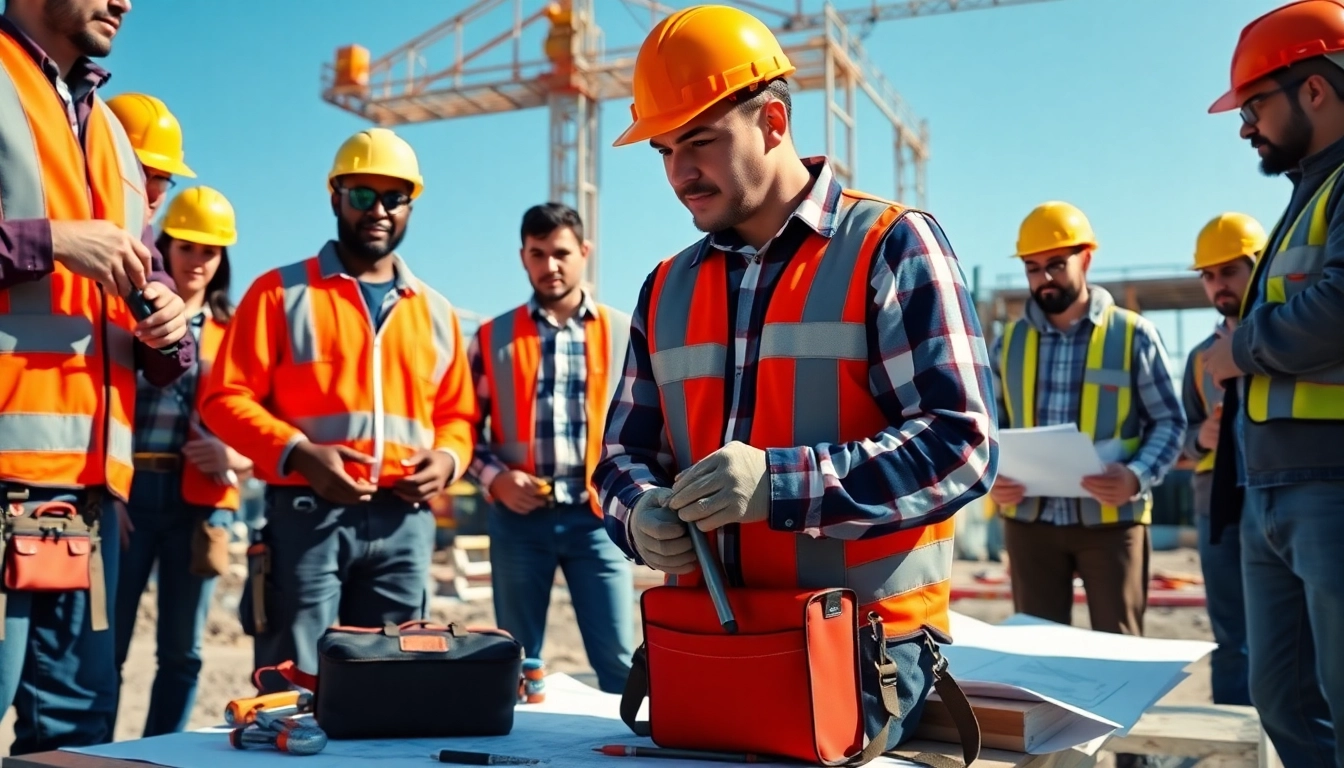
Understanding Construction Site Safety
Construction site safety is a critical aspect of any construction project, aimed at protecting the health and well-being of all personnel involved. It encompasses various protocols and practices to minimize risks and ensure compliance with legal standards. Understanding and implementing effective construction site safety measures can lead to improved worker morale, increased productivity, and reduced costs associated with workplace accidents. As an essential component of any construction project, it's vital to familiarize oneself with the fundamental aspects of construction site safety.
Key Components of Construction Site Safety
The key components of construction site safety revolve around proactive planning, responsiveness to potential hazards, and a firm commitment to establishing a culture of safety. These components include:
- Safety Equipment: Essential safety gear must be provided, including hard hats, gloves, eye protection, and reflective vests.
- Site Inspections: Regular inspections help to identify potential hazards and ensure compliance with safety regulations.
- Incident Reporting: An effective system for reporting accidents and near misses fosters transparency and encourages learning.
- Communication: Open communication protocols ensure that all workers are aware of safety measures and can report hazards immediately.
Importance of Safety Training
Safety training is paramount in educating workers on how to recognize hazards and respond appropriately. Comprehensive safety training programs should encompass:
- Understanding safety regulations.
- Proper use and maintenance of personal protective equipment.
- Emergency response procedures.
- Techniques for hazard identification and risk assessment.
Regular refresher courses can also ensure that employees remain vigilant and well informed about current best practices.
Legal Regulations Governing Safety
Various laws and regulations govern construction site safety, primarily established by governmental agencies to safeguard workers. Familiarity with OSHA (Occupational Safety and Health Administration) standards is essential for compliance. Regulations cover areas such as:
- Workplace cleanliness
- Equipment safety
- Hazardous materials handling
- Recordkeeping for safety incidents
Failure to adhere to these regulations can lead to severe penalties, highlighting the importance of integrating them into the safety plan of any construction project.
Identifying Hazards on Construction Sites
The identification of hazards on construction sites is a critical step in implementing effective safety measures. Recognizing potential hazards relies on a systematic approach, including regular evaluations and employee input.
Common Safety Hazards
Common safety hazards on construction sites include:
- Falls: Falls from heights are one of the most significant hazards, often due to improper use of ladders and scaffolding.
- Struck by Objects: This can occur due to falling tools or equipment, requiring strong protocols on securing materials.
- Caught-In/Between Hazards: Workers can be caught in or compressed by equipment or materials, making machinery safety training essential.
- Electrical Hazards: Exposure to live wires can lead to serious injuries, necessitating strict adherence to electrical safety regulations.
Assessing Risks Effectively
Effective risk assessment involves identifying potential risks and determining the likelihood of their occurrence alongside the potential consequences. Steps include:
- Conducting site walkthroughs.
- Engaging workers in discussions about their experiences and insights.
- Employing checklists for hazard identification.
- Prioritizing risks based on potential impact.
Implementing Hazard Mitigation Strategies
Once hazards have been identified and assessed, implementing hazard mitigation strategies becomes critical. These strategies can include:
- Engineering Controls: Designing systems and equipment to minimize risks.
- Administrative Controls: Modifying work processes to enhance safety, such as job rotation to limit exposure to hazards.
- Personal Protective Equipment (PPE): Providing appropriate safety gear to all workers.
By employing these strategies, construction sites can significantly decrease the risk of accidents and injuries.
Best Practices for Construction Site Safety
Establishing and adhering to best practices is vital for ensuring construction site safety. These practices serve as a backbone for a safety-first culture and involve all members of the team.
Effective Use of Personal Protective Equipment (PPE)
The use of PPE is crucial in minimizing exposure to workplace hazards. Construction sites must ensure:
- All workers are provided with necessary PPE based on site-specific risks.
- Regular maintenance and replacement schedules for worn-out equipment.
- Training on the correct usage and limitations of PPE.
Creating Safety Checklists
Safety checklists provide a structured approach to identifying and addressing safety concerns before they escalate. Effective checklists should include:
- Daily operational checks before work commencement.
- Monthly comprehensive safety audits.
- Regular updates to reflect changing site conditions and regulations.
Training Workers on Safety Protocols
Ongoing training is essential to maintain a culture of safety. Effective training programs should be:
- Interactive and engaging to foster understanding.
- Regularly updated to include new safety protocols and regulations.
- Designed to cover both theoretical knowledge and practical skills.
Emergency Preparedness and Response
Being prepared for emergencies is an essential aspect of construction site safety. Having a well-defined emergency response plan helps mitigate the effects of unforeseen incidents.
Developing Emergency Plans
Emergency plans should outline clear steps to follow in case of various incidents, such as:
- Accidents or injuries
- Severe weather events
- Fire emergencies
- Unsafe site conditions
Conducting Emergency Drills
Regular emergency drills simulate real-life scenarios to prepare workers effectively. These drills should:
- Be conducted for all types of emergencies.
- Involve all workers to ensure comprehensive preparedness.
- Include a debriefing phase to identify areas for improvement.
First Aid and Medical Emergency Procedures
It's essential to have trained personnel on-site and a first aid kit readily available. Additionally:
- Training workers in basic first aid procedures can save lives.
- Establish protocols for reporting injuries and seeking medical assistance.
- The location of the nearest medical facilities should be well known to all workers.
Measuring Construction Site Safety Performance
Measuring the performance of construction site safety initiatives is crucial for continuous improvement. Establishing metrics allows for the assessment of safety effectiveness and areas needing enhancement.
Key Performance Indicators (KPIs) for Safety
KPIs should be developed around both leading and lagging indicators, including:
- The number of reported incidents.
- The frequency of safety trainings conducted.
- The rate of compliance with safety regulations.
- Workers' engagement in safety initiatives.
Analyzing Incident Reports
A thorough analysis of incident reports aids in identifying patterns and root causes of accidents. Useful approaches include:
- Conducting root cause analysis on each significant incident.
- Involving workers in discussions to share their perspectives.
- Developing action plans to prevent future incidents.
Continuous Improvement in Safety Practices
Continuous improvement processes should be embedded within the safety management system. This can involve:
- Regular feedback loops with workers to identify safety concerns.
- Implementing new technologies or methods to enhance safety.
- Benchmarking safety performance against industry standards.
Frequently Asked Questions
What is the primary goal of construction site safety?
The primary goal of construction site safety is to protect workers from accidents, injuries, and fatalities while promoting a safe work environment.
Why is safety training necessary?
Safety training is crucial to ensure workers understand hazards, appropriate safety measures, and legal regulations, ultimately leading to a safer workplace.
What are the most common hazards on construction sites?
The most common hazards include falls, struck by objects, caught-in/between hazards, and electrical hazards, each requiring specific precautions.
How often should safety drills be conducted?
Safety drills should be conducted regularly, ideally on a quarterly basis, to ensure all workers are familiar with emergency procedures.
What should be included in an emergency response plan?
An emergency response plan should include procedures for different emergency types, communication protocols, and evacuation routes.