Understanding Fly Fishing Combos
Fly fishing combines the art of casting with the science of fish behavior, making it a cherished pastime for many anglers. An essential component of this sport involves understanding the fly fishing combo, which is a pre-packaged set of equipment designed to help beginners and seasoned fishers alike to effectively engage in their pursuit. This article dives deep into the intricacies of fly fishing combos, providing you with the knowledge necessary to choose the right one for your needs.
What Is a Fly Fishing Combo?
A fly fishing combo is typically a bundled set that includes all the necessary components for fly fishing. This generally encompasses a fly rod, reel, fly line, and backing line. Some combos may also provide additional accessories such as leaders, tippets, and flies. These packages are often tailored for different environments and skill levels, making them an excellent option for beginner anglers.
Components of a Fly Fishing Combo
Understanding the components of a fly fishing combo is crucial for maximizing your fishing experience. The key components include:
- Fly Rod: The primary tool for casting the fly line. Rods come in various lengths and actions, affecting how well you can cast and control your line.
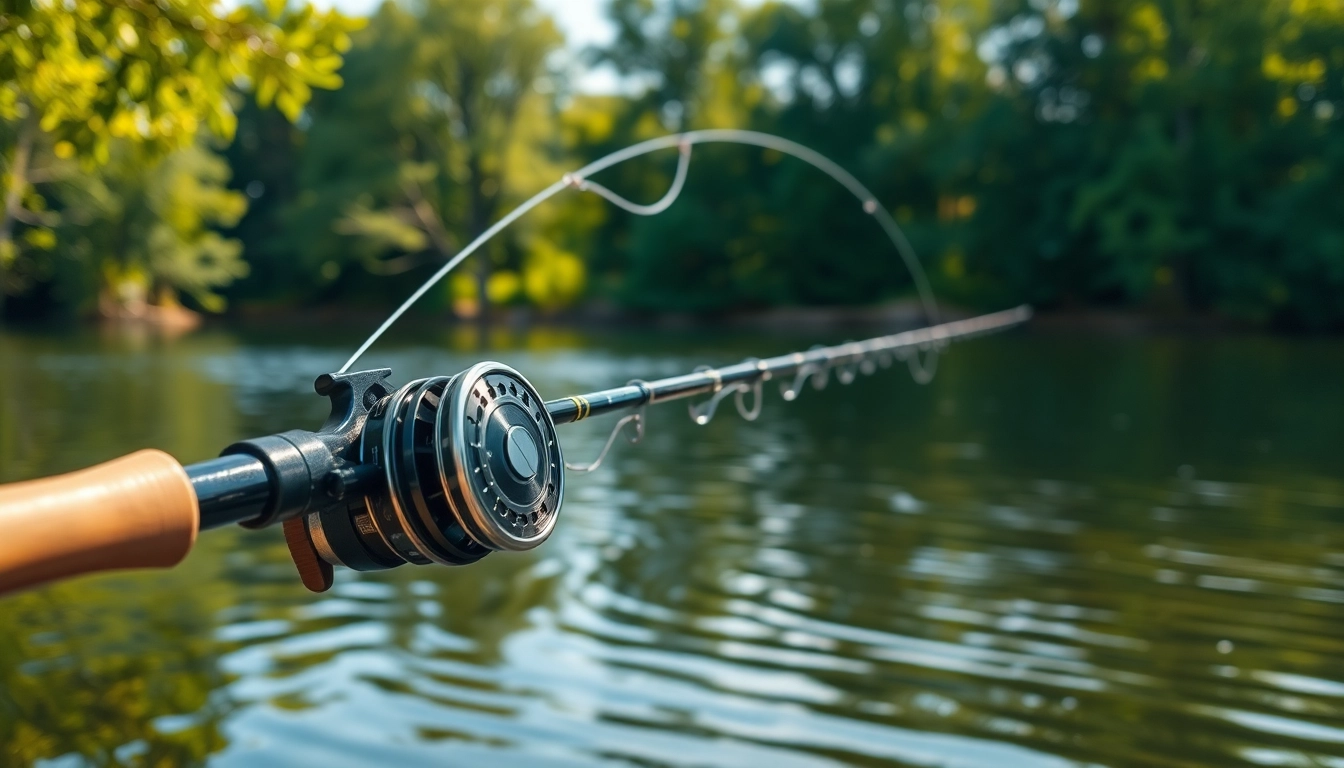
- Fly Reel: This is where your line is stored and retrieved. Reels vary in size and drag capabilities, impacting performance during fights with fish.
- Fly Line: The line used for casting. It is typically heavier than regular fishing line to allow for better control and accuracy.
- Backing Line: A thin line that provides extra length beyond the fly line to prevent the fish from pulling the line off the reel.
- Leaders and Tippets: These lines connect your fly to the main fishing line, helping to make your presentation more delicate.
Benefits of Using Combos
Utilizing a fly fishing combo has several advantages, especially for those new to the sport:
- Cost-Effective: Buying a combo is often cheaper than purchasing each component separately.
- Compatibility: The items in a combo are designed to work well together, reducing the chances of mismatched equipment.
- Convenience: Combos often come as a complete package, making it easy to start fishing without needing to research each individual component.
Factors to Consider When Buying
Skill Level and Experience
Your skill level plays a vital role in determining which fly fishing combo is right for you. Beginners may benefit from simpler, shorter rods that offer more control and ease of use, while experienced anglers might seek specialized rods designed for specific fishing conditions and techniques. Assessing your fishing experience will help you avoid frustration and make the fishing journey more enjoyable.
Types of Water and Fish Species
Different fishing environments—such as rivers, lakes, or coastal areas—demand unique considerations when selecting a combo. For instance, a rod suited for freshwater trout fishing may not be adequate for saltwater species like redfish. Understanding the specific types of water and the fish species you intend to target will help you make an informed decision.
Budget Considerations
Budget is an inevitable factor in your choice of a fly fishing combo. As a general rule, investing in a higher-quality combo can lead to better performance and satisfaction in your fishing experiences. However, there are plenty of affordable options that provide good value for entry-level anglers. Determine your budget early, and look for options that fit within that range while still offering good performance.
Popular Brands and Recommendations
Top Rated Fly Fishing Combos
Some brands stand out for their quality and reliability in the fly fishing community:
- Orvis Encounter: Known for its durability and user-friendly features, the Orvis Encounter combo is highly rated for beginners.
- Redington Crosswater: This combo strikes a balance between performance and price, making it great for intermediate fishers.
- Echo Base: With a reputation for excellent performance, the Echo Base is often recommended for users seeking a reliable entry-level combo.
Brand Comparisons
When looking at different brands, consider comparing customer reviews, warranty policies, and the availability of replacement parts. Brands may differ in their after-sales support, which is worth considering when making your choice. An informed comparison can save you from future headaches and help ensure that you select a combo that will serve you well in the long run.
User Reviews and Experiences
Reading user reviews is an excellent way to gauge the effectiveness of different fly fishing combos. Look for feedback about ease of use, versatility, and how well each component performs in real-world fishing scenarios. Community-based platforms and online forums offer a wealth of insights from seasoned anglers who share their experiences with specific brands and models.
Care and Maintenance of Your Combo
Cleaning Your Equipment
Regular maintenance is crucial to prolong the life and performance of your fly fishing equipment. After each fishing trip, make it a habit to clean your rod, reel, and line. Rinse off any dirt, salt, or debris under warm water, and dry your equipment thoroughly to prevent corrosion and damage.
Storage Tips
Proper storage of your gear is essential, especially in extreme weather conditions. Store your combo in a protective case to shield it from heat and moisture. Consider keeping your fly rod in a vertical position to prevent sagging and deformation, and ensure that your reel is free of line to prevent tangling when not in use.
Common Repairs
Over time, normal wear and tear can occur. Be on the lookout for issues such as frayed lines or worn-out reel components. Developing some basic repair skills—like re-tying flies or replacing tippet material—can save money and time. If issues arise that you cannot fix, seek a professional repair service to maintain the equipment’s integrity.
Getting Started with Your Fly Fishing Combo
Essential Techniques for Beginners
Starting with a fly fishing combo involves mastering a few fundamental techniques. The most basic of these is the cast, which includes the overhead cast and the roll cast. Practicing these techniques will help build your confidence and familiarity with your equipment, setting a solid foundation for your fishing adventures. Additionally, learning about insect hatching cycles can aid greatly in selecting the appropriate flies.
Safety Tips on the Water
Safety should always be a priority while fishing. Wearing a life jacket, especially in swift water, is crucial. Always inform someone of your fishing plans, carry a first-aid kit, and be mindful of weather conditions that could change unexpectedly. Keeping a personal floatation device and a whistle nearby can be lifesaving measures in emergencies.
Joining Local Fly Fishing Communities
Getting involved with local fly fishing clubs can enhance your experience immensely. They often provide mentorship opportunities, educational programs, and even organized outings. Networking with fellow anglers can lead to lifelong friendships and invaluable support as you dive deeper into the fly fishing world.