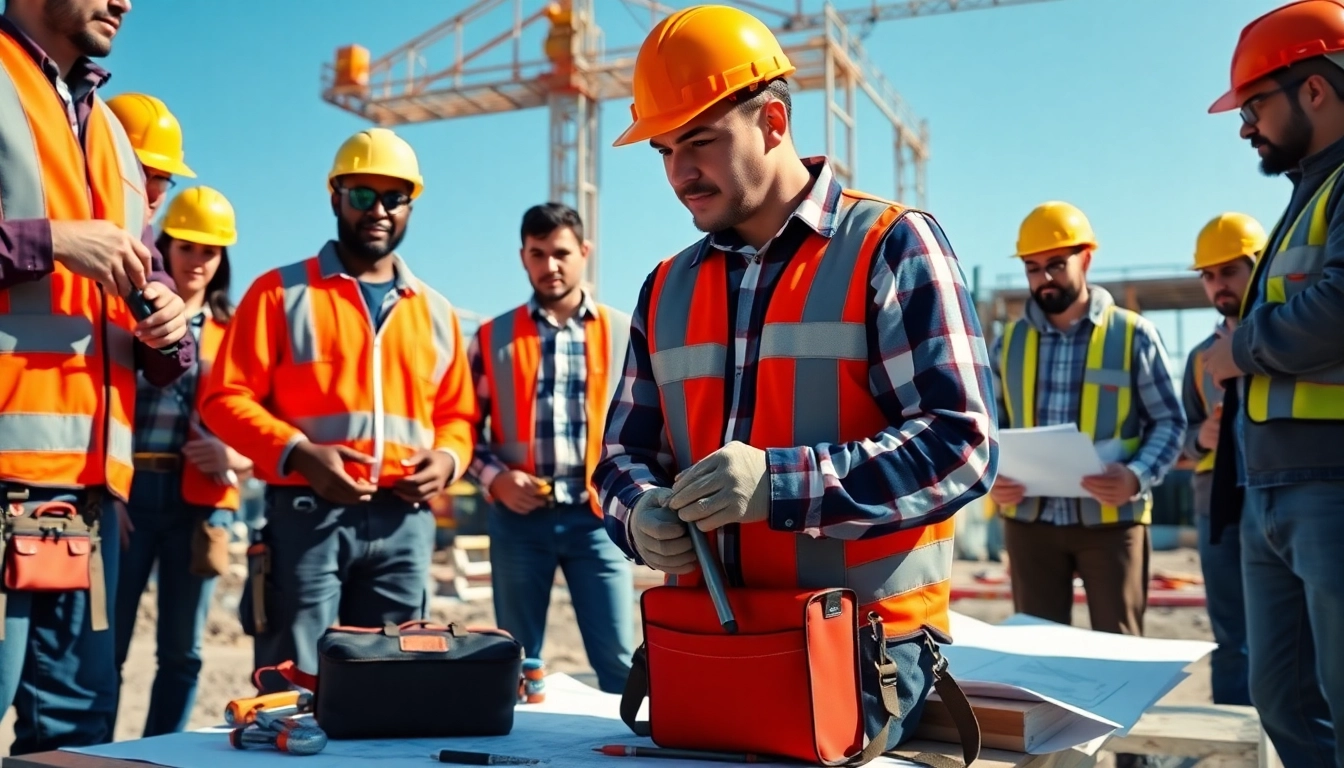
Understanding Construction Workforce Development
Construction workforce development is an integral component of the construction industry that involves a strategic approach to training and educating tomorrow's workforce. With the continual evolution of technology, techniques, and regulations, understanding construction workforce development has never been more crucial. It focuses on ensuring that workers are equipped with the necessary skills and knowledge to meet the demands of modern construction projects. The process revolves around addressing gaps in skill sets, improving employment opportunities, and fostering economic growth in the community. This critical aspect of the construction industry plays a central role in enhancing productivity, safety, and overall project quality. As many companies struggle to find skilled labor, construction workforce development has emerged as a solution that can foster a robust labor market.
What is Construction Workforce Development?
Construction workforce development refers to the systematic approach aimed at enhancing the skills, knowledge, and abilities of individuals working in or entering the construction industry. This development is intended to create a labor force capable of meeting current industry demands and adapting to future trends. It encompasses various activities, including education, training, recruitment, and retention strategies designed to build a pipeline of skilled workers.
The Importance of Skilled Labor in Construction
Skilled labor is the backbone of the construction industry. The quality of workmanship directly impacts the safety, durability, and longevity of projects. Well-trained workers contribute to higher productivity and enhanced efficiency, which translates to lower costs and improved project timelines. Furthermore, as the construction landscape shifts towards renewable energy projects, sustainable building practices, and smart technology integration, the need for workers who possess advanced technical skills and innovative mindsets has skyrocketed. A highly skilled workforce is essential not just for project quality, but also for ensuring compliance with safety regulations and minimizing workplace accidents. Companies that prioritize workforce development are ultimately setting themselves up for success in an increasingly competitive marketplace.
Key Challenges in Workforce Development
Despite the importance of workforce development, organizations face several challenges, including:
- Labor Shortages: A significant skills gap exists in the industry, with many experienced workers nearing retirement, leaving fewer skilled individuals to fill their roles.
- Recruitment Obstacles: Attracting new entrants, particularly younger generations, often proves difficult due to misconceptions about the industry, such as poor working conditions and lack of career progression.
- Training and Certification Costs: Many firms struggle to fund comprehensive training programs, limiting their ability to upskill existing employees or train new hires effectively.
- Technological Advancements: Rapid changes in construction technology require ongoing training and adaptability, often outpacing available educational resources.
Essential Skills for Modern Construction Workers
Technical Skills in Construction
Technical skills form the foundation of any construction worker's toolkit. These skills encompass a wide range of areas, including concrete work, carpentry, plumbing, electrical work, and heavy machinery operation. The production of complex structures, as seen with skyscrapers and mega-structures, requires a high level of technical expertise. Moreover, familiarity with advanced construction technologies such as Building Information Modeling (BIM) and prefabrication methods is increasingly valuable in today’s construction environment. Continuous education through workshops, certifications, and hands-on training is vital to keep workers adept in their technical roles.
Soft Skills: Teamwork and Communication
While technical skills are essential, soft skills play a critical role in a worker's success on the job site. Effective communication fosters collaboration among team members, ensures clarity in job requirements, and enhances safety on-site. Construction often involves diverse teams that rely on different skill sets, and the ability to work as a cohesive unit is paramount for project success. Problem-solving, adaptability, and negotiation are other soft skills that contribute substantially to a worker's effectiveness and efficiency in varying situations.
Certification and Training Programs
Certification and training programs are the bedrock of workforce development. They formalize competency and skill acquisition while enhancing employability and career advancement prospects. Various industry-recognized organizations offer programs ranging from basic safety training to specialized trade certifications. Construction firms can benefit from partnerships with educational institutions to offer apprenticeship programs, which combine on-the-job training with classroom instruction, creating a well-rounded workforce.
Strategies for Effective Workforce Development
Partnerships with Educational Institutions
Collaborating with educational institutions is an effective strategy for developing a skilled workforce. By forming partnerships with local trade schools, community colleges, and universities, construction companies can help shape curricula that address specific industry needs. These collaborations facilitate the design of programs that prepare students for the realities of construction work, and internships provide invaluable on-the-job experience. Such initiatives not only help attract fresh talent but also reinforce the industry's commitment to workforce development.
On-the-Job Training Programs
On-the-job training (OJT) is one of the most effective methods for workforce development, as it allows workers to acquire skills while actively participating in real projects. OJT programs can reduce training costs and time by utilizing company resources and personnel to train new hires. Implementing mentorship systems within OJT ensures that experienced workers pass down essential knowledge and techniques, fostering a culture of continuous learning while retaining skilled workers.
Utilizing Technology for Skill Enhancement
Technology plays a transformative role in enhancing workforce development. Virtual reality (VR) and augmented reality (AR) can simulate construction sites, allowing trainees to learn in a risk-free environment. E-learning platforms provide flexible training opportunities, making it easier for workers to access materials and coursework. Furthermore, management software can track progress and performance in training initiatives, helping companies identify skill gaps and tailor their workforce development efforts accordingly.
Measuring Success in Workforce Development Programs
Defining Key Performance Indicators (KPIs)
To evaluate the effectiveness of workforce development initiatives, it's crucial to establish clear and meaningful Key Performance Indicators (KPIs). These can include metrics such as the number of trainees completing programs, the pass rates for certifications, and employee retention rates post-training. By measuring these indicators, companies can assess the impact of their training efforts and determine areas for improvement, ensuring that workforce development is effective and aligned with strategic objectives.
Analyzing Workforce Retention Rates
High employee turnover can be detrimental to a construction company’s performance. Analyzing workforce retention rates can provide insights into the efficacy of workforce development programs. Companies that invest in developing their employees’ skills and provide clear pathways for advancement often see lower attrition rates. By focusing on creating a supportive work environment and fostering employee engagement, employers can improve retention, ultimately benefiting project outcomes and maintaining skilled labor.
Evaluating Impact on Project Quality
The ultimate goal of workforce development is to enhance the quality of construction projects. Analyzing the relationship between trained workers and project outcomes can reveal the direct impact training has on quality control, safety records, and timely project completion. Conducting post-project reviews to collect data on these metrics can help construction firms assess the value of their workforce development investments and adjust their strategies accordingly.
Future Trends in Construction Workforce Development
Embracing Automation and New Technologies
As the construction industry grapples with labor shortages, automation and new technologies will increasingly play a role in workforce development. Robotic tools and AI-driven technologies can complement human labor, enhancing efficiency and safety on-site. Workers will need to adapt to these advancements, emphasizing the necessity for training programs that incorporate these technologies into their curricula. This shift towards automation not only streamlines operations but also elevates the skills required in the workforce, reinforcing the need for ongoing education.
The Role of Diversity and Inclusion
Diversity and inclusion are becoming essential elements of construction workforce development. A diverse workforce brings together a variety of perspectives and experiences, fostering creativity and innovation. Companies that prioritise diversity often see improvements in team performance and problem-solving. Initiatives aimed at promoting inclusivity can help attract a broader talent pool, encouraging women, minorities, and underserved groups to consider careers in construction, thereby enriching the industry.
Sustainable Practices and Their Impact
The construction industry is under increasing pressure to adopt sustainable practices. Workforce development will need to adapt to ensure that workers are trained in environmentally friendly construction methods and sustainable technologies. This includes educating workers about green building standards, energy-efficient practices, and the use of sustainable materials. As the focus on sustainability continues to grow, organizations committed to workforce development will be better positioned to thrive in an evolving regulatory environment.