Unlocking the Timeless Charm of Audio Cassette: Nostalgia and Modern Revival
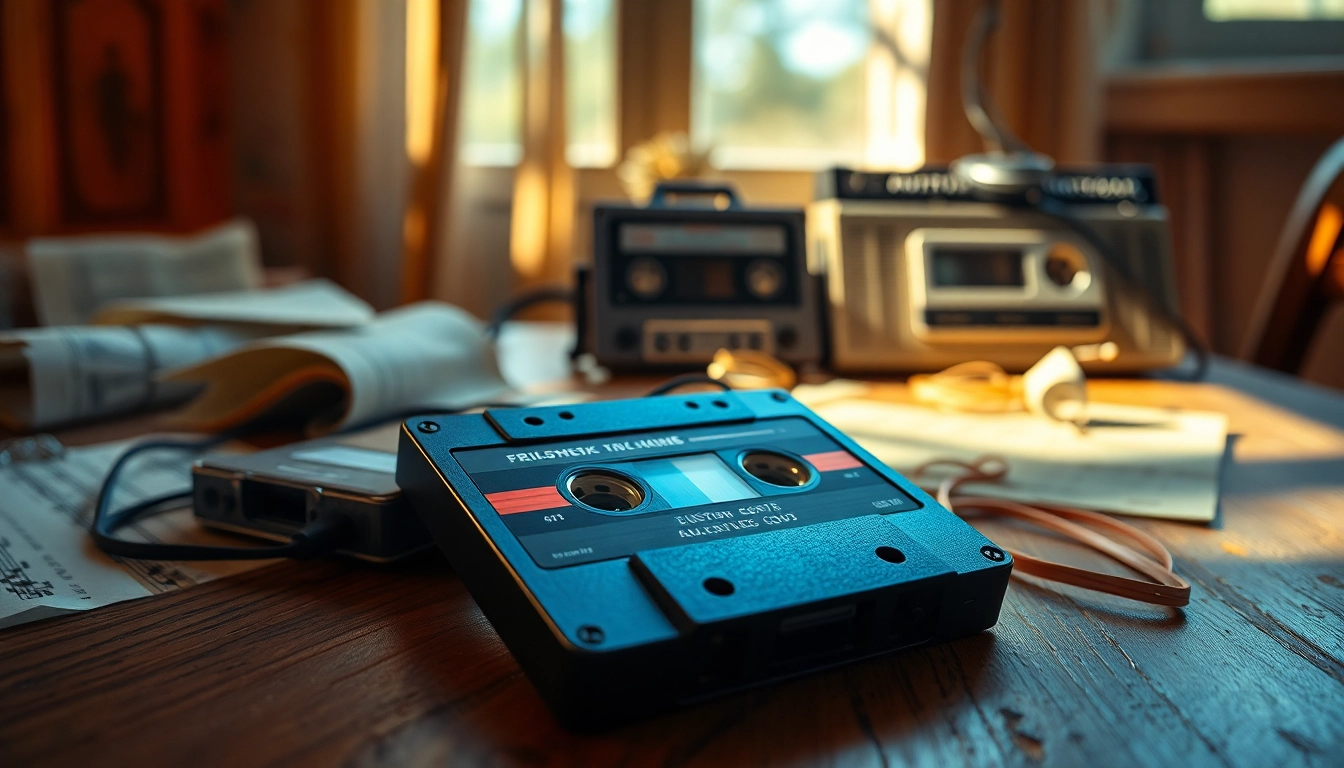
Understanding the Audio Cassette and Its History
The audio cassette, a simple yet revolutionary piece of technology, has shaped the landscape of music and audio recording for over four decades. Initially introduced in the 1960s, it quickly became a popular format for not only music lovers but also for everyone who wanted to record audio. This audio cassette brought a new level of accessibility and convenience to the world of audio, allowing individuals to create personal playlists and share their music in ways that had never been possible before.
The Evolution of Audio Cassette Technology
The journey of the audio cassette begins in 1963, when Philips launched the Compact Cassette. Originally designed for dictation, the format quickly found favor in the music industry. The small, portable design made it a hit, particularly with the invention of the personal cassette player, or “Walkman,” which allowed listeners to carry their favorite tunes wherever they went.
Over the years, advancements in audio quality, such as the introduction of chrome and metal tapes, further improved the listening experience. High-bias and low-noise tapes made recordings clearer, enhancing the appeal of this medium. By the 1980s and 1990s, the audio cassette was at the height of its popularity, alongside the emergence of car cassette players and home stereo systems.
Key Features of Audio Cassette
One of the hallmark features of the audio cassette is its compact size, which fits easily into bags and pockets, paving the way for music on-the-go. A typical tape consisted of a plastic shell containing a magnetic tape that delivered audio when played back through a cassette player or recorder.
Another essential feature of audio cassettes is the recordability that they provide. Users can create mixtapes, recording songs from the radio or other sources, making each tape a unique collection. This level of customization fostered creativity among listeners and helped solidify the audio cassette’s place in music culture.
Popular Uses of Audio Cassette in Music
Throughout its lifespan, the audio cassette found a multitude of applications within the music industry. Music artists and bands widely utilized cassettes for demo recordings, and independent labels embraced the format for releasing music without the need for costly vinyl pressings. Additionally, cassettes became essential for home compilation tapes where listeners showcased their tastes and shared their favorites with friends and family.
The unique culture of cassette trading also emerged, allowing fans to share music long before the advent of digital downloads and streaming services. Musicians engaged in the DIY ethic, cutting costs and gaining exposure through small cassette releases that later developed into major recording contracts.
The Audio Cassette in Contemporary Culture
In recent years, a nostalgia-driven revival has seen the audio cassette reclaim its place in the hearts of music enthusiasts. Despite the digital age, there’s been a remarkable resurgence of interest in cassettes, inviting both old fans and new listeners to explore this format anew.
Revival of Audio Cassette among Audiophiles
Today, audiophiles are revisiting the audio cassette for its warmth and unique sound characteristics that digital formats often cannot replicate. The analog nature of cassette tapes delivers a sound profile that many listeners find richer and more emotive. Furthermore, the tactile experience of handling a cassette, choosing which tape to play, and the act of rewinding or fast-forwarding foster a deeper connection to the music.
This revival is also reflected in the growth of boutique cassette labels promoting new artists and releasing fresh music on this old medium, building a bridge between past and present.
Modern Artists Utilizing Audio Cassette
Contemporary musicians from various genres have begun producing and releasing music on audio cassette. This move can be considered both an homage to the format’s legacy and a way to engage with fans in a distinctive manner. Bands and solo artists often sell limited-run cassette tapes, making them coveted collector’s items and fostering a sense of community among fans.
Distinctly, some artists create mixtapes as a way to connect with listeners, channeling a sense of intimacy that is less prevalent in the digital era. These mixtapes become tangible souvenirs, as opposed to intangible digital files.
The Impact of Nostalgia on Audio Cassette Demand
Nostalgia plays a crucial role in the resurgence of the audio cassette. The generation that grew up during the cassette’s heyday often finds joy in revisiting the analog experiences of their youth. The charm of mixtapes, cassette artwork, and the physical nature of cassettes create a compelling allure—one that modern streaming media cannot replicate.
Moreover, the cultural significance of cassettes can be seen in themed events, festivals, and even art inspired by this format. Collectors and enthusiasts often share their personal stories tied to audio cassettes, fostering a renewed community that will keep the magic of the medium alive.
Audio Cassette Storage and Preservation
As audio cassettes gain newfound popularity, taking proper care of them becomes essential for longevity. Preserving cassettes involves knowing the proper storage techniques to mitigate wear and tear, ensuring they remain playable for years to come.
Best Practices for Storing Your Audio Cassette
To ensure the durability of audio cassettes, preferred storage conditions should include: keeping them in a cool, dry place away from direct sunlight, which can harm the magnetic tape and the plastic casing. Storing tapes upright, much like books on a shelf, prevents warping and allows for easy access.
Additionally, it is advisable to use cases that offer extra protection, especially for rare or valuable cassettes. Avoiding exposure to moisture and excessive heat will prolong the lifespan of tapes significantly, safeguarding treasured recordings from deterioration.
Restoration Techniques for Old Audio Cassette
Restoration of old audio cassettes often requires a careful approach to recover audio quality. A professional restoration service can play a part in rehabilitating damaged tapes, utilizing specialized equipment to reproduce wavering audio and eliminate excess noise. For DIY enthusiasts, investing in a good cassette deck with a built-in noise reduction feature can help enhance playback quality.
Transferring the audio from old cassettes to digital formats through direct capturing or audio digitization ensures a backup of essential recordings. This can often lead to great audio fidelity that is not present in the original tape, making it a viable solution for preservation.
Common Mistakes to Avoid in Audio Cassette Care
Neglecting proper storage techniques is a common pitfall for many cassette owners. Avoid playing tapes that are worn or damaged, as this can lead to further degradation. Also, keep cassettes away from magnetic fields, such as speakers or magnetic storage devices, which could erase important audio content.
Cleaning cassette players regularly can enhance playback quality and prolong the life of both the tapes and the machinery. Small elements like dust and debris can accumulate and negatively impact sound quality, making it necessary to perform routine maintenance for optimal performance.
Buying and Collecting Audio Cassette
For enthusiasts looking to purchase and collect audio cassettes, knowing where and how to obtain quality tapes is crucial. The world of audio cassettes provides a treasure trove of experiences for new collectors and seasoned aficionados alike.
Where to Find Quality Audio Cassette
While online stores can provide ample inventory, local record shops often have gems that cannot be found elsewhere. Thrift stores, garage sales, and flea markets are excellent pits for discovering vintage cassettes and uncovering hidden treasures from the past.
Additionally, online marketplaces and auctions are places where individuals may find sought-after releases. Cassette fairs and collector conventions serve as superb venues for browsing, trading, or purchasing tapes, engaging with fellow enthusiasts, and growing a valuable collection.
Assessing the Value of Audio Cassette
Determining the worth of an audio cassette depends on various factors, including its rarity, condition, label, and artist. Collectors typically evaluate condition based on the tape’s playback clarity, aesthetics, and packaging. Limited editions and tapes with unique covers often command higher prices, making it essential for collectors to stay informed about market values.
Networking within the collector community can offer insights regarding valuation trends and continuously changing markets—an avenue all collectors should explore to ensure investments yield the best possible returns.
Creating an Impressive Audio Cassette Collection
Creating a collection of audio cassettes offers a personal journey that reflects individual taste and history. Focusing on specific genres, artists, or themes can help target collections, making it both manageable and enjoyable. Diversifying by seeking new releases while also hunting for vintage finds can keep the hunt exciting.
Documenting acquisitions with cataloging apps or spreadsheets can enhance the collection experience, allowing collectors to track details, including purchase date, cost, and condition. Sharing insights within collector groups or through social media can provide added excitement, as collectors engage over shared experiences and tips.
The Future of Audio Cassette in a Digital Age
As we navigate an increasingly digital world, the future of the audio cassette remains under constant scrutiny. This cherished medium faces both challenges and opportunities as it continues to adapt and evolve.
Challenges Facing Audio Cassette Today
Despite the resurgence in popularity, audio cassettes grapple with several challenges. The declining availability of cassette players and recording equipment means that enthusiasts might have trouble playing or recording on genuine devices. This situation may create a potential barrier for new fans wishing to delve into the world of audio cassettes.
Additionally, as technology continues to progress, the younger generation’s exposure to analog formats diminishes, leading to worries about the longevity of interest in this medium. Cassettes, once ubiquitous, have become a niche product, which can limit accessibility and availability.
Innovative Uses for Audio Cassette
In response to technological challenges, innovators are finding new ways to creatively harness audio cassette technology. Some artists are releasing contemporary music bundled with cassettes, alongside digital downloads, creating hybrid packages that cater to both analog and digital audiences. Workshops and DIY sessions explore crafting art with cassette tape or converting tapes into unique crafts, ensuring the format remains relevant in artistic circles.
As the audio cassette evolves, it stands poised to welcome collaborations with modern technologies—such as incorporating Bluetooth playback capabilities within cassette players—thus bridging the gap between analog charm and digital convenience.
Conclusion: The Lasting Appeal of Audio Cassette
The audio cassette embodies a nostalgic spirit that continues to shape our understanding and appreciation of music and sound. Enriching individual experiences through personal touches, resilience, and innovation, the audio cassette stands as a testament to what it means to create, share, and connect through music.
As we move forward, the audio cassette’s revival signifies that tradition and innovation can coexist harmoniously, allowing this cherished format to thrive in an age defined by digital convenience. With care and passion, both new and seasoned collectors can cultivate and sustain a love for the analog era—one charming audio cassette at a time.