Essential Skills for Every Videographer: Mastering the Art of Visual Storytelling
Understanding the Role of a Videographer
The role of a Videographer is pivotal in today’s multimedia-driven world. The blend of visual storytelling and technical acumen results in engaging content that resonates with audiences across various platforms. From corporate events to weddings, a videographer captures moments that might otherwise be lost in time, crafting a narrative that informs, entertains, and inspires. In this comprehensive guide, we delve into what a videographer does, the skills required, and how to succeed in this competitive field.
What Does a Videographer Do?
A videographer is responsible for recording and producing video content for a multitude of purposes. This professional works on various projects ranging from documentaries and promotional videos to live event coverage. The essence of a videographer’s job lies in their ability to visualize and narrate a story through the lens of a camera. They are involved in the entire production process, which includes pre-production planning, shooting, and post-production editing.
Key Responsibilities of a Videographer
- Client Consultation: Understanding client needs and objectives through discussions before shooting.
- Script Development: Collaborating with clients or writers to develop a script that effectively communicates the desired message.
- Shooting: Setting up equipment, lighting, and capturing footage during the production phase.
- Editing: Utilizing software to cut, arrange, and polish video footage, adding effects, sound, and graphics as necessary.
- Final Production: Delivering the completed video to the client in the required formats.
Different Types of Videographers
The field of videography encompasses various specializations, each catering to different audiences and project types. Some common types of videographers include:
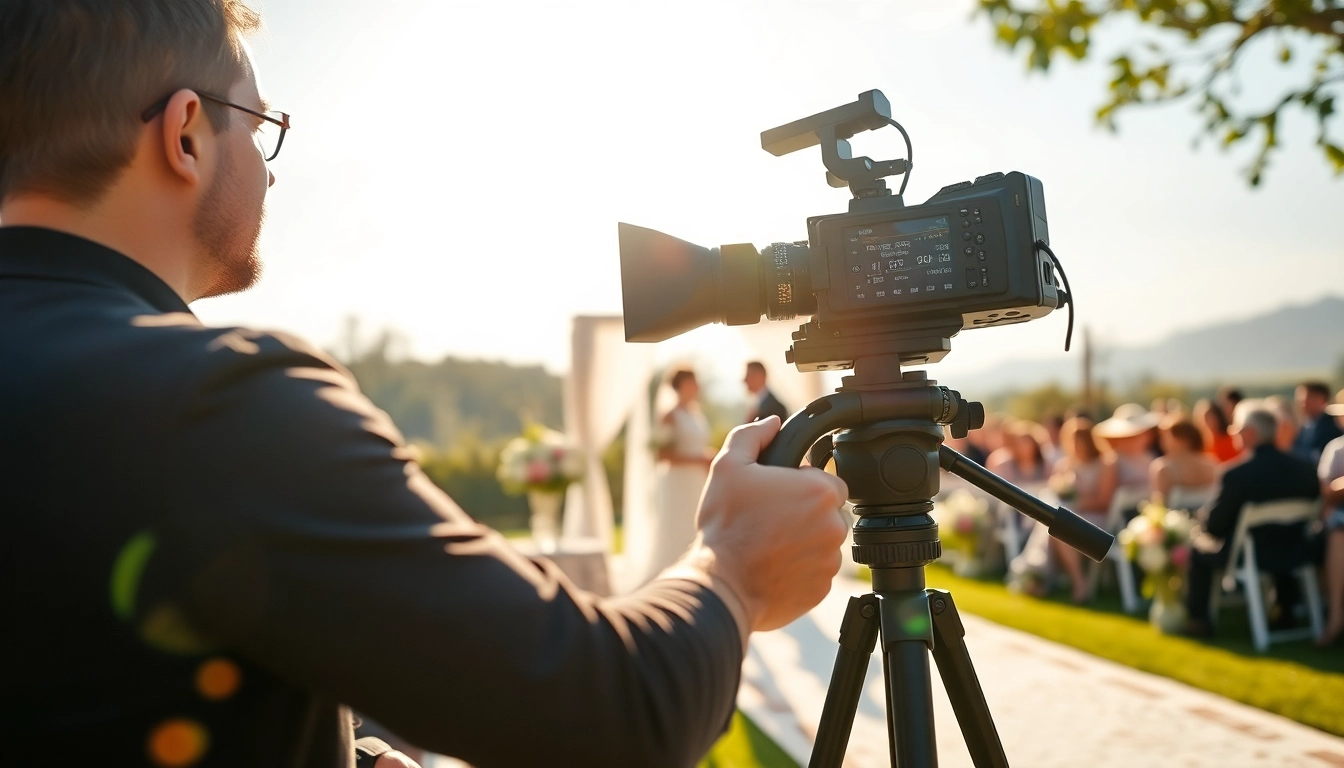
- Wedding Videographers: Focus on capturing the essence of wedding ceremonies and receptions, often telling the unique love story of the couple.
- Corporate Videographers: Specialize in creating promotional content, training videos, or product demonstrations for businesses.
- Event Videographers: Capture various events, including conferences, performances, and festivals, often highlighting key moments and interactions.
- Documentary Videographers: Work on long-form projects that explore a specific topic, often requiring in-depth research and storytelling skills.
- Freelance Videographers: Generalists who take on diverse projects across multiple genres, often bringing a unique personal style to their work.
Essential Skills Every Videographer Needs
To thrive as a videographer, one must possess a blend of technical, creative, and interpersonal skills. Here is a closer look at the essential skills necessary for success in this field.
Technical Skills for Videographers
Technical proficiency is crucial for any videographer. Key skills include:
- Camera Operation: Understanding how to operate different camera models and types to achieve the desired shot.
- Lighting Techniques: Mastery of lighting setups to enhance video quality and mood.
- Audio Management: Ensuring high-quality sound recordings, utilizing microphones and sound mixing techniques.
- Editing Software Proficiency: Familiarity with software like Adobe Premiere Pro, Final Cut Pro, or DaVinci Resolve for post-production work.
- Visual Composition: Knowledge of framing, angles, and shot selection to create visually appealing videos.
Creative Skills to Enhance Videography
Creativity plays an essential role in videography. It encompasses various aspects, including:
- Storytelling: The ability to weave narratives that engage viewers is critical. This requires understanding pacing, structure, and emotional impact.
- Aesthetic Sense: A keen eye for visuals can significantly enhance the quality of videos and make them more appealing to audiences.
- Innovative Thinking: Being able to adapt and incorporate new ideas and styles into video projects helps differentiate a videographer in a competitive market.
Interpersonal Skills for Client Engagement
Strong interpersonal skills are vital for building relationships with clients and collaborators. These include:
- Communication: Effectively conveying ideas and understanding client needs is essential for a successful project.
- Team Collaboration: Many projects require working alongside other creatives, necessitating the ability to collaborate effectively.
- Client Management: Knowing how to handle client feedback and revisions graciously and efficiently can enhance customer satisfaction.
Building a Strong Videographer Portfolio
A well-curated portfolio is indispensable for a videographer seeking to attract clients and showcase their work. Here’s how to build an impressive portfolio:
Components of an Impressive Portfolio
A strong portfolio should feature a range of work that reflects your skills and creativity as a videographer. Key components include:
- Highlight Reels: Short, dynamic compilations of your best shots that showcase your style and capabilities.
- Full Projects: Include complete samples of work that provide context and depth, allowing potential clients to gauge your storytelling prowess.
- Diverse Styles: Showcase a variety of genres to appeal to different clients, from corporate videos to creative projects.
How to Showcase Your Best Work
When presenting your portfolio, consider the following tips:
- Online Presence: Create a website or use platforms like Vimeo or YouTube to display your work professionally.
- Quality over Quantity: Focus on presenting a selection of your very best work rather than overwhelming viewers with numerous pieces.
- Tailored Presentations: Customize your portfolio based on the audience or clients you are targeting, showcasing relevant projects first.
Using Social Media as a Videographer
Social media platforms are powerful tools for videographers. To leverage these platforms effectively:
- Engage with Your Audience: Regularly post updates, behind-the-scenes content, and completed projects to connect with followers.
- Use Hashtags: Utilize relevant hashtags to increase visibility and reach potential clients who are actively searching for videographers.
- Network with Other Creators: Collaborate with photographers, musicians, and other creatives to expand your reach and enrich your portfolio.
Trends in Videography to Watch
The field of videography is continually evolving. Keeping abreast of industry trends can provide an edge in securing clients and delivering cutting-edge content. Here are some trends to watch:
Emerging Technologies for Videographers
Technological advancements greatly influence videography:
- 4K and 8K Resolution: The demand for ultra-high-definition content is on the rise, necessitating videographers to adapt to these formats.
- Drone Videography: Drones provide stunning aerial shots that add a unique perspective and elevate the quality of video projects.
- Virtual Reality & 360-Degree Video: As immersive experiences become more popular, videographers can explore new storytelling dimensions through VR and 360-degree videos.
Popular Videography Styles in 2023
Understanding current preferences can guide videographers in crafting appealing content:
- Cinematic Styles: A shift towards cinematic visuals, including a greater emphasis on depth of field, color grading, and storytelling.
- Documentary Styles: Realism and authenticity resonate with audiences, making the documentary style popular for event coverage and promotional content.
- Social Media Short-Form Content: Focus on attention-grabbing, short video clips that cater to social media platforms and mobile viewing.
Future of Videography in Digital Marketing
As digital marketing expands, videography plays a crucial role:
- Increased Video Content: Brands increasingly use video to engage audiences, making videography skills more valuable.
- Interactive Videos: New tools are emerging to create interactive experiences that enable viewers to engage with content actively.
- Personalization: Tailoring video content to specific audiences enhances engagement and can lead to higher conversion rates.
Getting Started as a Freelance Videographer
Transitioning to a freelance videographer requires preparation and strategic planning. Here are steps to launch your videography business successfully:
Steps to Launch Your Videography Business
Start your freelance career with the following foundational steps:
- Skill Development: Invest time in improving your videography skills through formal education, online courses, or self-study.
- Equipment Investment: Acquire the necessary videography gear, including cameras, lenses, lighting, and audio equipment.
- Business Structure: Establish a legal business entity (if required), register for licenses, and set up financial systems for invoicing and taxes.
- Marketing: Develop a marketing strategy to promote yourself through social media, networking events, and local communities.
Pricing Your Services as a Videographer
Pricing can be complex but should reflect your skill level, equipment, and time spent. Consider these factors when setting your rates:
- Research Industry Standards: Look at what other videographers with similar experience and expertise are charging.
- Project Scope: Evaluate the complexity of each project, including required edits, travel time, and production resources.
- Value Proposition: Consider the unique aspects of your work that justify your pricing — whether it’s a distinctive style or exceptional customer service.
Networking Tips for New Videographers
Building a network is essential for freelance videographers to find work and collaborate with others:
- Join Industry Groups: Participate in local videography or filmmaking groups to connect with other professionals.
- Attend Workshops and Conferences: These provide valuable opportunities to learn and meet potential clients or collaborators.
- Collaborate on Projects: Partner with other creatives on projects to broaden your reach and enhance your skill set.