Maximizing Integrity and Efficiency in Structural Steel Construction
Understanding Structural Steel Construction
Definition and Key Characteristics
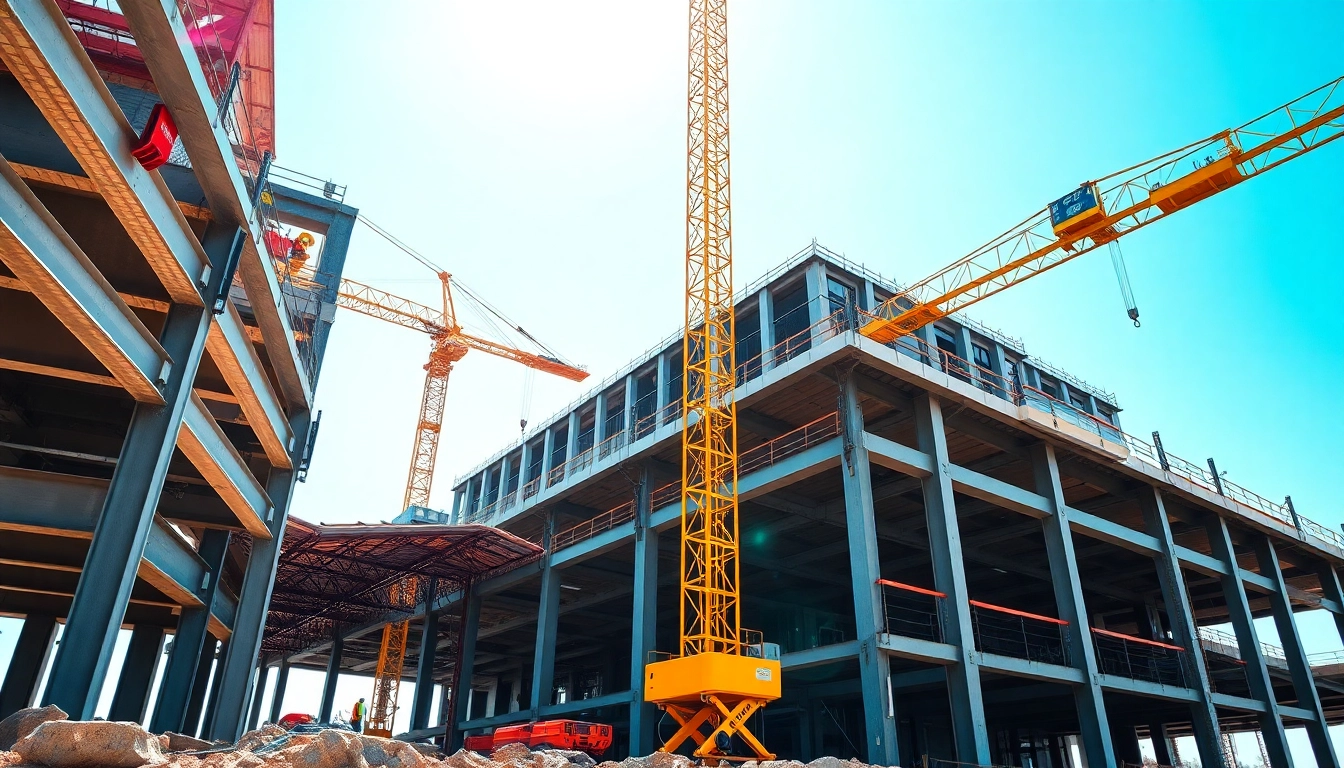
Structural steel construction refers to the use of steel in the construction of buildings and other structures. It involves utilizing steel beams, columns, and reinforcement to form a framework capable of bearing loads and withstanding various environmental forces. One of the primary characteristics of structural steel is its high tensile strength, allowing it to support significant weight without stretching or deforming. Furthermore, the predictable performance of structural steel during stress makes it a preferred choice among engineers and architects.
Benefits of Using Structural Steel
The adoption of structural steel offers numerous advantages over traditional construction materials like wood or concrete. Firstly, the durability of steel ensures resistance to environmental factors, such as weather changes, pest infestations, and fire. Secondly, structural steel provides greater design flexibility, allowing for more open and expansive spaces that are increasingly sought after in contemporary architecture. Moreover, structural steel components can be prefabricated offsite, leading to faster assembly times on-site, ultimately enhancing overall construction efficiency. Most notably, structural steel construction is sustainable owing to steel’s recyclability, which reduces waste and encourages eco-friendly practices.
Common Applications and Case Studies
Structural steel is widely utilized in various applications, including commercial buildings, bridges, industrial factories, and residential homes. Noteworthy case studies illustrate the effectiveness and resilience of structural steel frameworks. For instance, the construction of skyscrapers often features structural steel due to its high strength-to-weight ratio, allowing for taller buildings with fewer materials. In bridges, structural steel utilization ensures longevity and reduces maintenance needs while supporting heavy traffic loads. Moreover, reinforced steel installations in manufacturing facilities demonstrate the ability to withstand the rigors of heavy machinery and operations.
Material Choices in Structural Steel Construction
Types of Steel Used in Construction
Various types of steel are employed in structural steel construction, each chosen based on specific application requirements. Common categories include carbon steel, which is favored for its strength and affordability; stainless steel, known for its corrosion resistance; and high-strength low-alloy (HSLA) steel, which offers enhanced mechanical properties and weldability. Additionally, structural steel sections, such as I-beams, H-beams, and channels, provide optimal load-bearing capabilities tailored to structural needs.
Factors Influencing Material Selection
When selecting materials for structural steel construction, several factors must be considered to ensure project success. Environmental conditions, load requirements, structural design, and economic constraints all influence material choice. For instance, regions prone to high winds or seismic activity may demand materials with superior strength and flexibility. Additionally, project timelines play a critical role, as material availability can affect scheduling and overall costs.
Quality Standards and Certifications
Quality assurance is paramount in structural steel construction. Various industry standards and certifications ensure that materials are produced, inspected, and implemented with precision. The American Institute of Steel Construction (AISC) outlines guidelines for steel fabrication and erection that help maintain structural integrity. These standards facilitate the selection of suppliers and products, ensuring compliance with safety and performance specifications necessary for successful construction.
Design Principles for Structural Steel Construction
Fundamentals of Structural Design
Structural design principles are essential to the safety, functionality, and aesthetics of any construction. These principles involve understanding load paths, which define how loads are transferred through the structure to the ground. Additionally, stability, ductility, and serviceability must be accounted for during the design phase to anticipate and manage potential risks, ensuring that the structure performs correctly over its intended lifespan.
Innovative Design Strategies
Incorporating innovative design strategies can greatly enhance structural steel construction’s efficiency and sustainability. Techniques such as modular construction use prefabricated components that allow for faster assembly without compromising quality. Additionally, the application of Building Information Modeling (BIM) facilitates design visualization, detects conflicts prior to construction, and improves collaboration among stakeholders. These advancements contribute to reduced material wastage and streamlined project timelines.
Integration with Other Materials
The integration of structural steel with other building materials, such as concrete, masonry, and glass, can elevate the performance and aesthetic appeal of structures. Composite materials that combine steel and concrete improve load-bearing capabilities while minimizing weight. This synergy allows architects and engineers to design structures that maximize both utility and visual beauty, ultimately resulting in innovative and eye-catching architectural accomplishments.
Construction Practices and Techniques
Best Practices for Safety in Structural Steel Construction
Safety should always be a priority on construction sites, especially when working with structural steel. Employing best practices such as implementing proper training programs, maintaining consistent safety audits, and using personal protective equipment (PPE) can significantly reduce workplace accidents. Additionally, establishing clear safety protocols and emergency response procedures ensures that workers are prepared for any challenges that may arise.
Modern Techniques and Tools
Modern techniques and tools have reshaped structural steel construction, increasing precision and efficiency. Innovative machinery, including robotic welders and automated cutting equipment, expedite the fabrication process while maintaining high quality. Furthermore, advancements in inspection technologies, such as ultrasonic testing and digital imaging, enhance quality assurance, ensuring that all components meet stringent standards before they are assembled on-site.
Project Management and Workflow
Effective project management is critical to ensuring the success of any construction project. Utilizing management software and collaborative tools can streamline workflows, improve communication among team members, and monitor progress. Implementing agile methodologies promotes flexibility, enabling project teams to adapt to changes, handle unexpected obstacles, and meet set timelines, ultimately delivering a successful outcome.
Future Trends in Structural Steel Construction
Emerging Technologies and Innovations
The structural steel construction industry is undergoing rapid transformation due to emerging technologies. Innovations such as 3D printing and robotics are gradually being integrated into fabrication processes, allowing for greater customization and speed. Additionally, the use of artificial intelligence (AI) for predictive modeling and performance analysis helps project teams make informed decisions, optimizing design and construction methods in real-time.
Environmental Considerations in Construction
Sustainability has become a cornerstone of modern construction practices. As environmental concerns gain momentum, structural steel construction emphasizes minimizing carbon footprints, reducing material usage, and employing eco-friendly practices. Green certification systems, such as LEED, incentivize the use of recycled materials and energy-efficient designs, encouraging the industry to prioritize sustainability throughout the construction lifecycle.
Forecasting Industry Growth and Changes
The structural steel construction industry is poised for robust growth in the coming years. Increased urbanization, coupled with infrastructural demands worldwide, drives the need for more efficient building solutions. Anticipating changes in technology, materials, and construction methodologies will be crucial for stakeholders to remain competitive and responsive to evolving market demands. Keeping pace with industry trends ensures that professionals can adapt resources and strategies effectively, thereby promoting long-term success in structural steel construction projects.