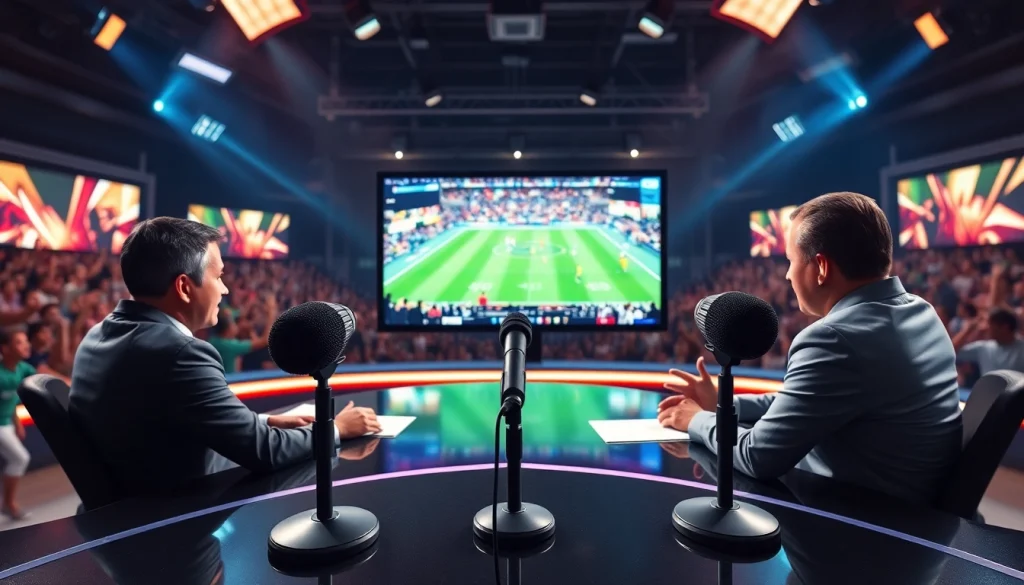
Understanding Sports Broadcasting
Defining Sports Broadcasting
Sports Broadcasting refers to the distribution of sports events over various media platforms, including television, radio, and online streaming services. It encompasses everything from live coverage of games to analysis, commentary, and highlight shows. The aim is to deliver sports content to fans, enabling them to stay informed and engaged with their favorite teams and athletes. In today’s digital age, Sports Broadcasting has transformed dramatically, fueled by technological advancements and changing consumer behaviors.
The Evolution of Sports Broadcasting
The history of sports broadcasting dates back to the early 20th century when radio broadcasts brought baseball games into homes across America. Television emerged as the medium of choice in the 1950s, drastically increasing viewership numbers and the revenue potential for sports leagues. Throughout the decades, various innovations, such as instant replay, have enhanced viewer experiences. The rise of the internet has opened new avenues for content delivery, leading to the prevalence of live streaming and digital platforms, significantly altering how fans consume sports today.
Key Players in Sports Broadcasting
Sports broadcasting features a mix of traditional media companies, digital platforms, and tech giants. Major networks have historically dominated the landscape, securing exclusive broadcasting rights to popular leagues and events. However, the introduction of platforms like YouTube, Twitch, and dedicated sports streaming services has created a more competitive environment. This shift allows for niche sports and amateur events to gain visibility, expanding the definition and reach of sports broadcasting.
Technological Innovations Shaping Sports Broadcasting
Live Streaming Technologies
Live streaming technologies have revolutionized how sports content is delivered. With the advent of high-speed internet and robust streaming platforms, fans can now watch games in real-time from anywhere in the world. This technology allows broadcasters to offer multiple camera angles, personalized viewing experiences, and even interactive features like statistics overlay. Furthermore, the integration of 5G networks promises to elevate streaming quality, reducing latency, and improving the overall user experience.
Virtual and Augmented Reality in Sports
Virtual reality (VR) and augmented reality (AR) technologies are enriching the spectator experience, providing immersive environments that were previously unimaginable. VR can transport fans into the stadium from the comfort of their homes, giving them the feeling of presence during live games. AR, on the other hand, enhances traditional broadcasts with interactive graphics and real-time statistics displayed on screens. These technologies offer broadcasters innovative ways to engage viewers, making the experience more interactive and enjoyable.
Data Analytics for Enhanced Broadcasting
Data analytics is playing an increasingly vital role in sports broadcasting, offering insights that enhance storytelling and viewer engagement. Broadcasters can analyze player performance, fan demographics, and viewing patterns to tailor content specifically for their audiences. The application of machine learning and AI in processing vast amounts of data enables more dynamic content creation, turning raw statistics into compelling narratives that resonate with fans, thus keeping them glued to their screens.
Fan Interaction and Engagement Strategies
Social Media Integration in Broadcasting
Social media platforms have become essential tools for sports broadcasters looking to amplify viewer engagement. They serve as real-time forums for fans to discuss games, share highlights, and connect with others who share their passion. By integrating social media feeds during broadcasts, broadcasters can encourage fan participation, allowing for live reactions and commentary that enhance the overall viewing experience, making events more interactive and engaging.
Mobile Apps for Enhanced Viewing Experience
Mobile applications are increasingly crucial in the sports broadcasting landscape. These apps allow fans to access live streams, stats, and in-depth analyses directly on their devices. Many sports networks have also incorporated push notifications for game highlights, player news, and breaking updates. This accessibility caters to the growing number of viewers who prefer consuming content on their smartphones and tablets, creating a continuity of experience that today’s audience demands.
Interactivity through Polls and Live Chats
Interactivity drives consumer engagement, and many broadcasters have embraced live polling and chat features during games. These tools allow viewers to voice their opinions, participate in discussions, and influence aspects of the broadcast in real time. Broadcasts that incorporate this level of interactivity often see increased viewer retention, as fans appreciate having a stake in the conversation and feel more connected to the content being presented.
Challenges Faced in Sports Broadcasting
Licensing and Copyright Issues
Licensing and copyright issues present significant challenges in sports broadcasting. Networks seek exclusive rights to air specific events, usually negotiating multi-million dollar contracts with leagues. This contentious atmosphere can create conflicts, especially when new platforms seek to enter the space. Broadcasters must navigate these waters carefully, ensuring compliance with all regulations while seeking innovative deals to maximize content accessibility for fans.
Maintaining Viewer Engagement
Retaining viewer interest in today’s fast-paced media landscape can be daunting. With countless entertainment options available, sports broadcasters must continually invent new ways to engage audiences. Strategies range from producing high-quality content to utilizing emotional storytelling that resonates with viewers. Failure to grasp the dynamics of fan engagement can result in decreased viewership, which directly impacts revenue streams for broadcasters.
Adapting to Changing Technologies
The rapid evolution of technology requires broadcasters to stay agile and adapt quickly. With new platforms and tools emerging regularly, sports networks must invest significantly in tech to remain competitive. This often means not only updating equipment but also rethinking their content strategies and finding creative solutions to keep up with consumer expectations. Constant adaptation is essential to avoid stagnation in a crowded market.
The Future of Sports Broadcasting
Predicting Future Trends in Broadcasting
As technology continues to advance, several trends in sports broadcasting are set to shape its future. Personalization and tailored viewing experiences are likely to become even more prevalent, leveraging AI to analyze viewer preferences and deliver targeted content. Additionally, the use of blockchain for securing broadcasting rights is anticipated to pave the way for more transparent negotiations. The focus will undoubtedly remain on enhancing viewer experiences and adapting to their needs as new technologies arise.
The Role of Esports in Traditional Broadcasting
Esports is increasingly intersecting with traditional sports broadcasting, reshaping how audiences engage with competitive events. Many sports networks have started to embrace esports content, hosting tournaments and showcasing top players. This merging has opened new revenue streams and attracted younger demographics, presenting a unique opportunity for broadcasters to expand their reach and remain relevant in a changing media landscape. The collaboration between traditional and esports entities is likely to redefine broadcasting norms in the years to come.
Environmental Considerations in Broadcasting
As the world becomes more environmentally conscious, sports broadcasting is also beginning to embrace sustainability. Broadcasters are exploring green practices, from reducing carbon footprints to promoting events that emphasize sustainable operations. This focus on environmental responsibility not only appeals to a growing segment of eco-conscious fans but also enhances brands’ reputations. Moving forward, sustainability will undoubtedly become a key priority in the sports broadcasting industry.
Frequently Asked Questions
What is sports broadcasting?
Sports broadcasting is the distribution of live or recorded sports events through various media, including television, radio, and online platforms. It engages fans by providing real-time coverage and commentary.
How has technology changed sports broadcasting?
Technology has transformed sports broadcasting by introducing live streaming, virtual reality, and enhanced data analytics, allowing for more immersive and interactive viewing experiences.
What are the challenges in sports broadcasting?
Challenges include licensing and copyright issues, maintaining viewer engagement, and adapting to rapidly changing technologies within the industry.
What role does social media play in sports broadcasting?
Social media serves as a platform for real-time engagement, allowing fans to discuss games, share experiences, and connect with broadcasters during live events, enhancing overall viewer interaction.
What is the future of sports broadcasting?
The future of sports broadcasting is expected to focus on personalized content delivery, the integration of esports, and embracing sustainability practices to attract a modern audience keen on environmental responsibility.